

A few years ago, most Americans bought coffee almost automatically.
Same grocery aisle. Same brand. Same routine.
Now? Coffee buying behavior looks completely different.
Scroll through TikTok for five minutes and you’ll probably run into someone building a “home café setup” with a matte-black grinder, a glass pour-over dripper, and beans sourced from Ethiopia or Colombia. Young consumers debate flavor notes the way people used to debate wine. Office workers spend $24 on specialty beans without blinking if the brand feels thoughtful enough.
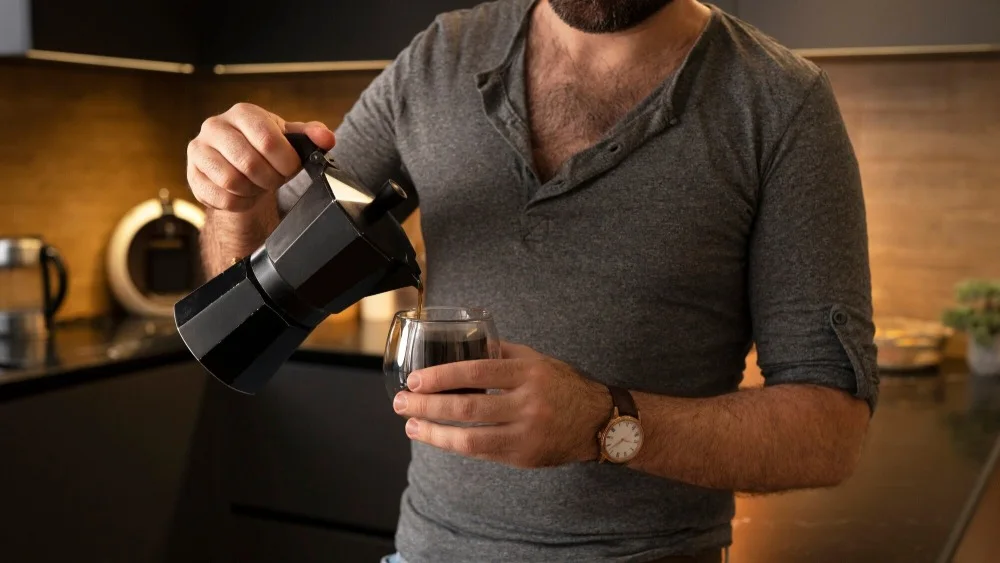
Coffee has quietly shifted from commodity to lifestyle product.
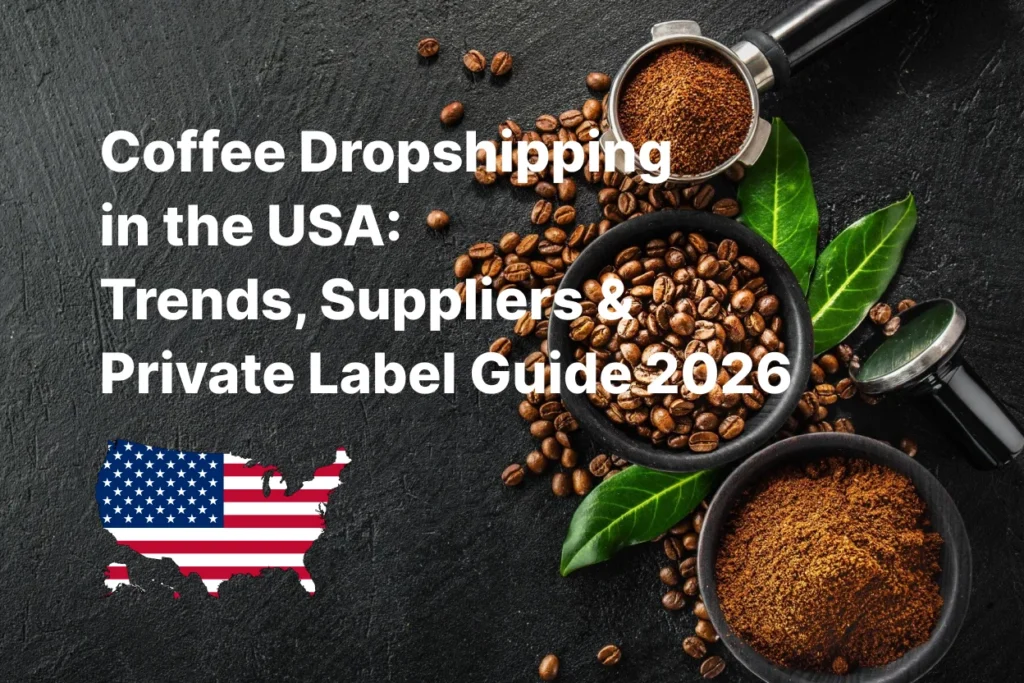
And that shift is creating one of the most interesting opportunities in ecommerce right now: coffee dropshipping in the USA.
The opportunity isn’t simply that Americans drink a lot of coffee — although they do. Coffee remains the country’s most consumed beverage after water, with roughly two-thirds of adults drinking it daily. What matters more is how people now consume it. According to National Coffee Association’s 2024 report, at-home coffee consumption continues to rise steadily, especially among younger consumers who increasingly treat coffee as part of a personal ritual rather than just a source of caffeine.
That behavioral change matters enormously for ecommerce.
Because rituals create repeat purchases.
Coffee Is No Longer Just About Energy
One reason coffee ecommerce keeps expanding is that consumers are no longer shopping purely for “strong coffee.”
They’re shopping for identity, mood, routine, and experience.
That sounds abstract until you watch how people actually talk about coffee online.
Many younger buyers don’t even describe coffee as “strong” anymore. They describe it as:
- smooth
- clean
- fruity
- low-acid
- chocolatey
- floral
- calming
That’s a completely different buying psychology from traditional grocery coffee.
For Millennials especially, premium coffee often sits somewhere between productivity tool and affordable luxury. Spending extra on better beans feels easier to justify than spending hundreds on larger lifestyle purchases. A good coffee setup turns an ordinary weekday morning into something slightly more intentional.
Gen Z approaches coffee differently again.
For many younger consumers, coffee culture is deeply visual. Cold foam drinks, minimalist packaging, aesthetic brewing videos, mushroom coffee blends, glass cups, slow-pour espresso shots — these things spread because they look good online.
And once a category becomes visually shareable, ecommerce tends to grow around it very quickly.
Why Coffee Works Surprisingly Well for Dropshipping
Most dropshipping products have one big weakness:
People buy them once.
Coffee behaves differently because it lives inside a recurring habit.
Someone who finds a coffee they genuinely enjoy often reorders it every few weeks without thinking much about it. That changes the economics of customer acquisition in a major way. A product with repeat purchase potential can survive higher advertising costs far more easily than a one-time impulse product.
That’s part of the reason subscription coffee businesses have grown so aggressively over the past few years (Swell Coffee Subscription Trends).
Consumers like convenience, but they also like consistency. Once they settle into a flavor profile or morning routine they enjoy, they usually don’t want to restart the search process from scratch every month.
Ironically, the more crowded the coffee market becomes, the more valuable brand familiarity gets.
People aren’t necessarily looking for the “best coffee” in some objective sense. They’re looking for a coffee brand that feels like their brand.
Specialty Coffee Changed Consumer Expectations
The rise of specialty coffee has also changed what customers expect from ecommerce brands.
Ten years ago, most buyers probably couldn’t explain the difference between washed-process and natural-process coffee. Today, a growing percentage actively searches for those details.
Consumers increasingly want to know:
- where the beans came from
- how they were roasted
- what tasting notes to expect
- whether the coffee is ethically sourced
- which brewing method works best
This is one reason generic coffee stores struggle online.
A product page that simply says “Premium Medium Roast Coffee” doesn’t feel very convincing anymore.
Compare that to something more specific:
Washed Ethiopian Arabica with jasmine aroma, citrus acidity, and tea-like body.
The second version immediately feels more premium because it creates imagination.
And imagination creates perceived value.
Ethiopian vs Colombian Coffee: Two Completely Different Experiences
If you spend enough time around specialty coffee communities, one thing becomes obvious very quickly:
People don’t just buy coffee beans anymore. They buy flavor personalities.
Ethiopian and Colombian coffees are probably the clearest example of this.
Ethiopian Coffee
Ethiopian beans are often bright, floral, and fruit-forward. Depending on the region and processing method, tasting notes can include blueberry, bergamot, lemon, or jasmine.
For people who enjoy pour-over brewing, Ethiopian coffee often feels almost tea-like in texture – lighter, more aromatic, and layered.
Natural-process Ethiopian coffees, in particular, have become extremely popular with younger specialty coffee audiences because they taste so different from traditional dark roast supermarket coffee.
Colombian Coffee
Colombian coffee tends to feel more balanced and familiar.
You’ll often see flavor notes like caramel, milk chocolate, hazelnut, or red apple. The body is usually fuller, and the acidity softer and easier for casual drinkers to enjoy.
That’s one reason Colombian beans remain a favorite for espresso drinks and milk-based beverages.
Neither style is objectively “better.” They simply appeal to different moods and preferences.
But for ecommerce brands, understanding these differences matters because it helps transform coffee from a generic consumable into a more emotional purchase.
The Real Shift: Private Label Coffee Brands Are Getting Easier to Build
Traditional dropshipping has a reputation problem.
A lot of stores still feel interchangeable because they’re selling identical products from identical suppliers.
Coffee is starting to break away from that model.
Modern private label coffee suppliers now allow ecommerce sellers to build legitimate-looking brands without owning roasting facilities or carrying inventory themselves. Many integrate directly with Shopify or WooCommerce, automate fulfillment, and offer blind shipping so customers never see supplier information.
More importantly, many suppliers roast coffee only after orders are placed.
That freshness changes customer perception immediately.
Mass-market grocery coffee may sit on shelves for months. Fresh-roasted coffee shipped shortly after roasting feels much closer to the specialty café experience consumers are becoming used to.
Packaging matters too – probably more than many new sellers realize.
Coffee packaging has become part of the product itself. Minimalist branding, matte textures, resealable bags, sustainability messaging, and clean typography now shape customer perception before the coffee is even brewed.
A well-designed coffee package photographs well, feels premium in the hand, and increases the chances that customers post it online.
That sounds superficial until you realize how much modern ecommerce depends on visual sharing.
Functional Coffee Is Expanding the Market Even Further
One of the most interesting developments in coffee ecommerce is how quickly functional coffee is growing.
Coffee is increasingly being marketed not just as a beverage, but as a wellness product.
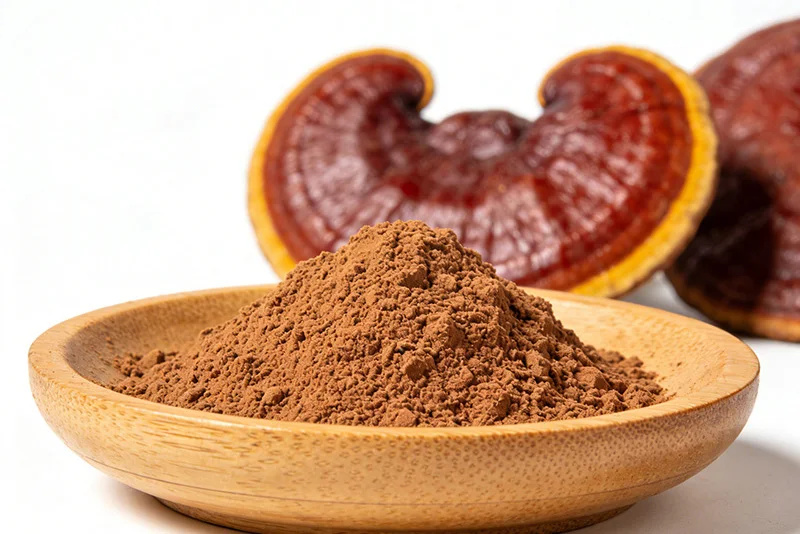
Mushroom coffee is probably the clearest example (Mushroom Coffee Market 2023-2030).
Products containing lion’s mane or reishi mushrooms have exploded across wellness communities because they promise energy and focus without the “over-caffeinated” feeling some consumers dislike. Whether every claim lives up to the hype is still debated, but the consumer interest is unquestionably real.
At the same time, specialty decaf is improving rapidly.
For years, decaf carried a reputation for tasting flat or lifeless. That perception is slowly changing as higher-quality decaffeination methods become more common. Many consumers now want the comfort and ritual of coffee without excessive caffeine intake – especially afternoon and evening drinkers.
This broader shift toward “intentional consumption” is important.
Consumers increasingly want coffee that aligns with specific lifestyles:
- productivity-focused
- wellness-focused
- fitness-oriented
- low-caffeine
- keto-friendly
- sustainable
- minimalist
That creates space for smaller ecommerce brands to carve out very specific identities.
Content Marketing Matters More Than Aggressive Advertising
A surprising number of coffee brands still market themselves badly.
They run ads that basically say:
“Here is our coffee. Buy now.”
But coffee buyers usually want education before they want conversion.
That’s why some of the strongest-performing coffee ecommerce brands behave more like media companies than traditional stores. They publish brewing guides, roast explanations, flavor comparisons, café setup inspiration, and origin stories because those things naturally build trust over time.
And trust matters more when you’re selling something people consume daily.
Someone might impulse-buy a gadget from a random store once. They’re far less likely to repeatedly consume a food or beverage product from a brand that feels generic or disposable.
Coffee content also performs unusually well on SEO because curiosity naturally surrounds the category.
People constantly search things like:
- light roast vs dark roast
- best coffee for French press
- Ethiopian vs Colombian coffee
- how to make café-style coffee at home
- mushroom coffee benefits
- best coffee grinders for beginners
That creates long-term organic traffic opportunities most trendy ecommerce categories never develop.
Coffee Packaging Is Quietly Becoming a Competitive Advantage
One thing many beginners underestimate is how technical coffee packaging actually is.
Freshly roasted coffee releases carbon dioxide after roasting. Without proper packaging, that gas buildup can affect freshness and stability. That’s why many specialty coffee bags now use one-way degassing valves, which allow gas to escape without letting oxygen back in.
Nitrogen flushing has also become increasingly common for brands shipping over longer distances. Replacing oxygen inside the bag helps slow oxidation and extend shelf life significantly.
But beyond preservation technology, packaging aesthetics are becoming just as important.
A lot of modern specialty coffee branding now looks closer to skincare packaging than traditional grocery products.
Minimalist labels. Neutral colors. Soft textures. Clean fonts.
That’s not accidental.
Coffee companies increasingly understand they’re competing for visual attention as much as flavor preference.
Coffee Isn’t the Highest-Margin Niche — But It May Be One of the Most Stable
Some new sellers enter coffee ecommerce expecting massive margins immediately.
That usually isn’t realistic.
Between sourcing, fulfillment, shipping, advertising costs, and platform fees, margins can feel relatively average at first — especially if paid ads are your primary acquisition channel.
But coffee has another advantage many ecommerce products don’t:
Retention.
A customer who enjoys a coffee enough to reorder every month becomes dramatically more valuable over time. Subscription models amplify that even further.
That’s why experienced operators often view coffee less as a “quick win” niche and more as a long-term brand category.
It rewards consistency more than virality.
And in ecommerce, that’s often a healthier business to build.
Final Thoughts
The American coffee market is becoming more sophisticated every year.
Consumers care more about sourcing, freshness, flavor profiles, brewing rituals, packaging aesthetics, and wellness positioning than they did even five years ago. That evolution is pushing coffee ecommerce far beyond commodity retail and closer toward lifestyle branding.
For dropshipping sellers, that creates a real opportunity – not because coffee is easy, but because strong branding actually matters in this category.
The brands that succeed over the next few years probably won’t be the ones trying to look like giant supermarket coffee companies.
They’ll be the brands that feel personal.
Brands that understand why people spend twenty quiet minutes making pour-over coffee on a Sunday morning. Brands that understand why someone wants their coffee bag to look beautiful sitting on the kitchen counter. Brands that understand coffee isn’t just caffeine anymore.
It’s routine. Identity. Comfort. A small ritual people repeat every single day.
For ecommerce businesses exploring branded coffee fulfillment and U.S.-focused private label operations, Ship To The Moon’s Coffee & Tea Dropshipping solutions support brands looking to launch and scale without managing inventory directly.