

For a long time, “premium coffee” in America mostly meant standing in line somewhere.
A Starbucks run before work. A weekend stop at a local café. Maybe an overpriced oat milk latte that somehow turned into a $9 habit without anyone really noticing.
Now the ritual is moving home.
Across TikTok, Instagram, and YouTube, millions of views are piling up around what people casually call the “home café setup” — shelves lined with pour-over drippers, matte-black grinders, hand-thrown ceramic mugs, and bags of single-origin coffee displayed almost like décor. What started as a pandemic-era adjustment has quietly evolved into a long-term consumer shift, and ecommerce coffee brands are riding the wave.
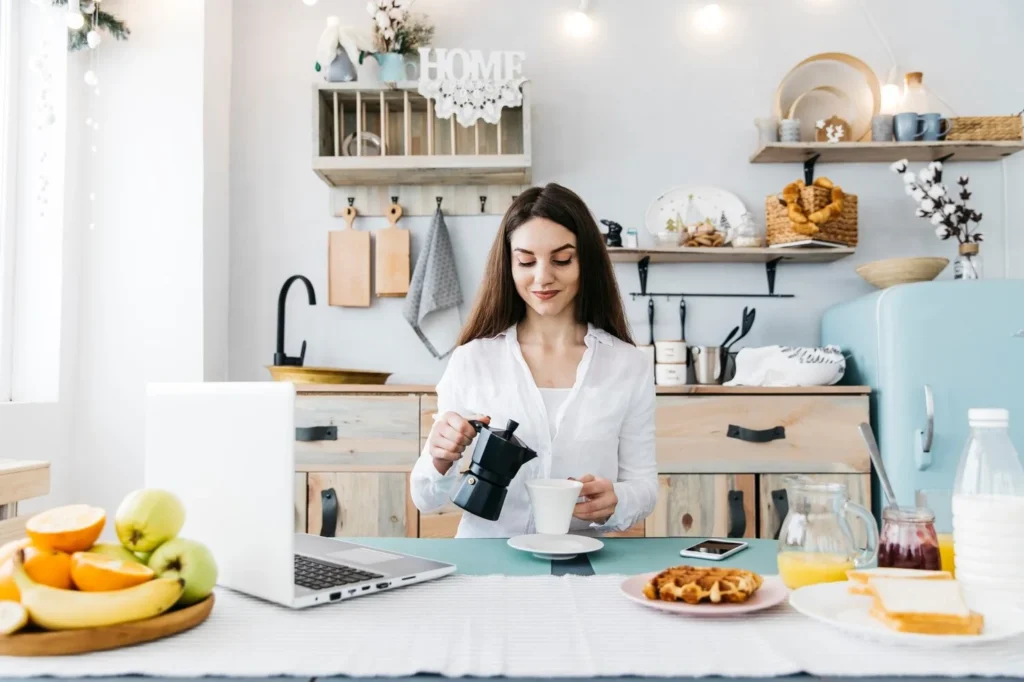
According to the National Coffee Association’s latest consumer trends data, around two-thirds of American adults drink coffee daily, while at-home coffee consumption continues to rise, especially among younger consumers. That detail matters more than it sounds. People aren’t just drinking coffee at home because it’s cheaper. Increasingly, they seem to prefer it.
And the psychology behind that is interesting.
You can see it in the way people talk about coffee online now. Five or six years ago, most consumers described coffee in pretty simple terms: strong, dark, bold, maybe sweet. Today the language sounds completely different. People talk about “clean acidity,” “blueberry notes,” “low-anxiety energy,” or whether a coffee feels better for slow mornings versus workdays. Some consumers — not all, obviously, but enough to influence the market — now approach coffee more like wine or skincare than a basic grocery item.
That shift has helped push specialty coffee deeper into ecommerce.
Research firms including Grand View Research and Custom Market Insights continue projecting steady growth across the U.S. coffee and specialty coffee sectors through the decade, with subscription-based coffee services becoming a particularly strong segment. Industry analysts have also pointed to private label and direct-to-consumer coffee brands as one of the quieter growth areas inside lifestyle ecommerce.
Part of the reason is simple: coffee fits naturally into subscription behavior.
People may impulse-buy gadgets once. Coffee is different. Once someone settles into a roast they genuinely like — maybe a floral Ethiopian pour-over for weekends or a heavier Colombian espresso blend during the workweek — they tend to reorder it without much friction. In ecommerce terms, that’s a very attractive habit loop.
The rise of functional coffee is adding another layer to the story.
Mushroom coffee, collagen coffee, and low-acid blends have all moved well beyond niche wellness circles over the past two years. Scroll through wellness-focused social feeds and you’ll find an entire category of consumers trying to optimize caffeine rather than simply consume more of it. Lion’s mane blends marketed for focus. Reishi blends positioned around calmer energy. Specialty decaf for people who still want the ritual without the sleep disruption.
Some of the marketing gets exaggerated — that’s probably inevitable — but the demand itself is real.
Interestingly, the ecommerce side of coffee is evolving at the same time the branding is becoming more sophisticated. Many newer coffee companies no longer look like traditional coffee brands at all. Their packaging often resembles skincare products: minimalist typography, soft neutral colors, matte textures, carefully staged unboxing moments. The bag sitting on the kitchen counter has become part of the product experience.
That visual shift matters because coffee has become unusually social for a daily consumable. People photograph their morning coffee setups constantly now. Not everyone, of course. But enough that aesthetics increasingly influence purchasing decisions.
Behind the scenes, fulfillment models are changing too.
Private label coffee dropshipping — once a fairly small corner of ecommerce — has expanded as suppliers improve fresh-roast logistics, blind shipping, and custom packaging support for online sellers. Instead of warehousing coffee themselves, smaller brands can now launch with relatively lean operations while focusing more heavily on branding, content, and customer retention.
For companies supporting ecommerce infrastructure, including providers like Ship To The Moon, the shift reflects a broader change happening across consumer retail: buyers increasingly want products that feel personal, routine-driven, and identity-linked, even in categories that once looked purely functional.
Coffee, it turns out, may be one of the clearest examples of that transformation.
Not because Americans suddenly discovered caffeine. They’ve loved caffeine forever.
What changed is the experience around it.