

A few years ago, most beginner dropshippers were chasing the same products everybody else was chasing: LED gadgets, Posture correctors, Random kitchen tools that exploded on TikTok for two weeks and disappeared before the next ad account ban.
Tea wasn’t really part of that conversation.
Now it is. Quietly, at first. But the shift is becoming hard to ignore.
Some of the more interesting ecommerce brands in the U.S. wellness space are no longer built around “viral products” at all. They’re built around routines. Sleep routines. Morning routines. Focus routines. Small repeat behaviors people come back to almost automatically.
Tea fits into that world unusually well.
Not just because people drink more of it now – although they do – but because the meaning around tea has changed. Especially among younger consumers.
For a growing number of Americans, tea is no longer the dusty supermarket box sitting behind the coffee machine. It’s matcha whisked in a ceramic bowl before work. It’s a caffeine alternative that doesn’t make you feel terrible an hour later. It’s digestion tea after dinner, mushroom blends before a workout, chamomile before bed, or a whole late-night TikTok rabbit hole about “cortisol regulation.”
Some of it is trend-driven, obviously. But not all of it.
The broader movement is real.
According to research from Spherical Insights, the U.S. tea market was valued at roughly $1.15 billion in 2024 and is projected to reach $2.21 billion by 2035. What’s interesting is where the growth is happening. Not basic commodity tea, but higher-end categories: organic tea, specialty tea, functional blends, ceremonial matcha, wellness-focused products.
That distinction matters for dropshippers.
A cheap commodity product usually becomes a race to the bottom sooner or later. Tea, at least the premium side of it, behaves differently. People form habits around it. Sometimes surprisingly emotional ones.
And habits are good for ecommerce.
Tea Is Starting to Behave More Like Skincare Than Grocery
That sounds exaggerated until you spend enough time looking at how modern tea brands actually market themselves.
A lot of successful tea packaging now looks closer to beauty branding than traditional grocery branding. Matte pouches. Minimalist typography. Soft neutral colors. Calm kitchen lighting. Even the language changed. You see phrases like “clarity,” “reset,” “slow mornings,” “focus support.”
Nobody was talking about tea this way ten years ago.
Part of this comes from the broader wellness economy. Part comes from social media aesthetics. And part of it, honestly, comes from coffee fatigue.
There’s a noticeable group of consumers who still want energy, but no longer want the full experience that often comes with heavy coffee consumption — the jitters, the crash, the anxiety spiral people joke about online.
That’s one reason matcha exploded.
Not just as a drink, but as content.
You can scroll TikTok for five minutes and run into slow-motion matcha pours, bamboo whisks, “what I eat in a day” videos, minimalist apartment kitchens somewhere in Brooklyn or Los Angeles, all tied together by the same soft wellness aesthetic. Matcha ended up fitting perfectly into internet culture at the exact moment people started romanticizing calmer lifestyles.
Whether those lifestyles are actually calm is another question.
Still, the buying behavior is real.
And unlike many impulse-product categories, tea naturally supports repeat purchases. People don’t buy a digestion tea once. Or a sleep blend once. If it becomes part of their routine, they reorder it quietly every few weeks without much friction.
That changes the economics quite a bit.
The Tea Niches Actually Growing Right Now
One thing new sellers often underestimate is how fragmented the tea market really is.
“Tea” sounds like a single category until you realize the customer buying ceremonial matcha probably has very little overlap with the customer buying aged pu-erh cakes, or with someone ordering strawberry hibiscus cold brew tea because they saw it in a wellness influencer’s fridge restock video.
Different audiences. Different motivations. Completely different price sensitivity.
Ceremonial Matcha
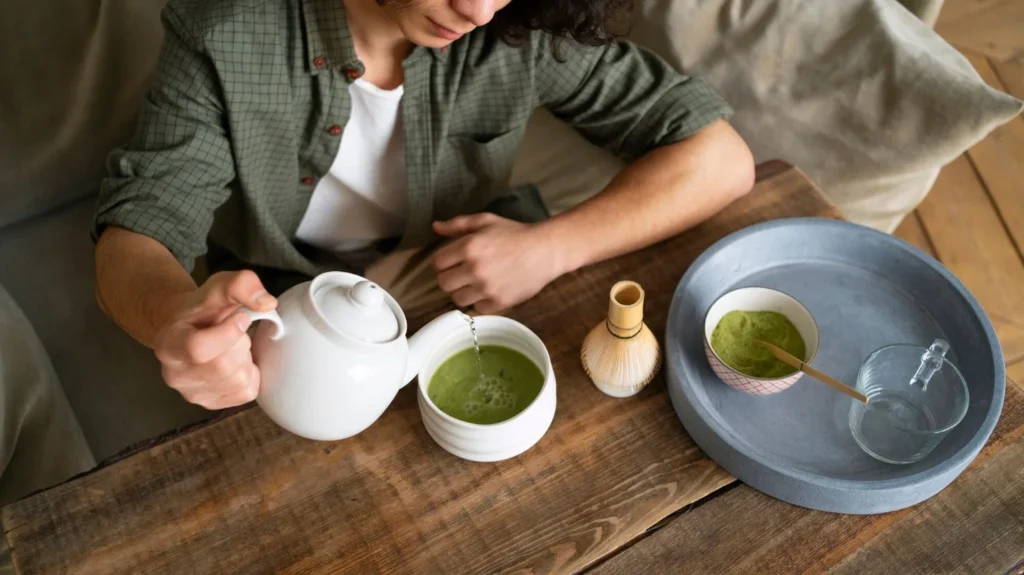
This is probably the most visible growth segment right now.
High-grade Japanese matcha sits in a strange intersection between wellness culture, productivity culture, café aesthetics, and social media performance. Consumers talk about L-theanine now with the confidence people used to reserve for gym supplements.
And the pricing power can be surprisingly strong.
Good ceremonial-grade matcha is expensive compared to regular tea. Consumers still buy it because they’re not only paying for flavor. They’re paying for ritual, texture, color, sourcing, identity — all the intangible stuff ecommerce sellers sometimes overlook.
Ironically, the preparation process itself became part of the product.
The whisking. The foam texture. The bright green color against neutral-toned kitchens. It photographs well. It films well. That matters more than many people in ecommerce want to admit.
Functional Herbal Blends
This category is growing for a simpler reason: modern consumers increasingly want beverages tied to outcomes.
Sleep support. Better digestion. Stress reduction. Energy without crashes. Skin health. Focus.
In many cases, tea is now marketed almost like a softer version of supplements. Less clinical. Less intimidating.
A turmeric ginger blend feels approachable in a way capsules often don’t.
The interesting thing is that consumers have become more educated here than many brands realize. A few years ago, generic “detox tea” marketing was everywhere. Now buyers are noticeably more skeptical. They read ingredients. They compare sourcing. They look for transparent labeling.
Some sellers still market every herbal blend like a miracle cure. That approach is aging badly.
The brands gaining trust tend to sound calmer and more informed.
Pu-erh and Fermented Tea
Pu-erh is still niche in the United States, but it fits surprisingly well into current wellness trends.
Especially gut-health culture.
Once kombucha normalized fermented beverages for mainstream American consumers, it became easier for other fermented products to enter the conversation. Pu-erh benefits from that shift, even though the audience is still relatively specialized.
There’s also something about pu-erh that works particularly well for content-driven ecommerce.
It ages. It changes over time. People discuss harvest years, storage methods, regional differences. The whole category carries a sense of depth that commodity products simply don’t have.
Some tea communities talk about aged pu-erh the way wine collectors talk about Bordeaux vintages. That level of enthusiasm creates strong retention when brands handle the education side properly.
Oolong and Gongfu Tea Culture
This is probably the most underestimated part of tea ecommerce.
A surprising number of younger consumers are becoming interested in ritual itself.
Not productivity hacks. Not optimization. Actual slowness.
That’s part of why gongfu tea culture keeps showing up online. Tiny clay teapots. Gaiwans. Tea trays. Steam rising from small cups while somebody explains oxidation levels for three minutes straight.
On paper, it sounds too niche to scale.
In practice, it works because the visual and emotional experience feels different from mainstream consumer culture. Slower. More tactile. Less disposable.
And once somebody starts buying into the ritual, they usually don’t stop at one product. They buy the tea ware. Then different oolongs. Then storage tins. Then another tea tray they absolutely did not need.
Which, from an ecommerce perspective, is not the worst customer behavior pattern in the world.
Tea Is a Content Category Before It’s a Product Category
This is where many dropshippers struggle.
Tea generally does not perform well with aggressive “BUY NOW” style marketing. Not for long, anyway.
The stronger brands tend to build atmosphere first.
That might sound abstract, but online it becomes very concrete very quickly.
A plain pouch of loose-leaf tea usually doesn’t convert because somebody listed antioxidant percentages in the product description. It converts because somebody filmed themselves making it at 10:40 PM with warm lighting, ceramic cups, soft background music, and a caption about finally finding a nighttime routine that helps them sleep.
That’s the internet now.
People buy products that help them imagine a version of themselves.
Tea happens to fit that psychology unusually well because it naturally connects to ritual. Preparation takes time. There’s sound, texture, repetition, steam, movement. Even the waiting becomes part of the experience.
Short-form video platforms amplified this dramatically.
Educational content works especially well here:
- how to whisk matcha properly
- how to brew gongfu tea
- the difference between ceremonial and culinary matcha
- why some oolong teas taste floral while others taste roasted
Consumers like learning in this category. That’s important.
A tea brand with good educational content often looks more trustworthy than a brand pushing constant discounts.
Most Tea Stores Still Underestimate Packaging
This part gets ignored constantly.
Tea is sensitive. Much more sensitive than many beginner sellers expect.
Poor packaging quietly destroys premium tea brands all the time.
Matcha is probably the clearest example. Exposure to oxygen, moisture, heat, or direct light can flatten the flavor surprisingly fast. The bright green color starts fading. Bitterness increases. Freshness disappears long before customers understand why the product suddenly feels disappointing.
Consumers may not always know the chemistry behind it.
They still notice something feels off.
The same thing happens with loose-leaf tea aroma. Weak packaging leaks scent during transit, especially during long international shipping routes.
This is one reason experienced tea sellers obsess over packaging details:
- foil-lined pouches
- vacuum sealing
- UV-resistant tins
- resealable barriers
- freshness control during storage
A cheap supplier can become very expensive once product quality starts degrading during fulfillment.
FDA Compliance Is Boring Until It Isn’t
A lot of newer sellers underestimate this side of tea ecommerce because tea feels “natural” and relatively low-risk compared to supplements.
But tea is still a food product entering the United States. The regulatory side matters.
According to the FDA and FSMA requirements, imported tea products may require facility registration, Prior Notice filings, compliant labeling, ingredient disclosure, and proper country-of-origin identification.
This becomes especially important for flavored teas and wellness-positioned blends.
Health claims are where brands get themselves into trouble most often.
There’s a difference between:
“supports relaxation”
and
“treats anxiety.”
The second one creates regulatory problems very quickly.
Interestingly, consumers are also getting more skeptical about exaggerated wellness marketing in general. Calm, credible language tends to perform better now than hyper-aggressive miracle-product messaging.
That shift is probably healthy for the category long term.
Logistics Matter More Than Most Sellers Think
Tea is lightweight, which helps.
Freshness is the harder challenge.
Shipping delays, warehouse humidity, poor storage conditions, and weak packaging all affect customer perception — especially for premium tea buyers who expect freshness immediately after opening the package.
That’s why experienced suppliers increasingly focus on:
- faster fulfillment routes
- controlled storage
- airtight packaging
- smaller-batch inventory management
Consumers associate freshness with quality even before tasting the tea. Packaging texture, aroma release, color vibrancy, even how the pouch seals after opening — all of it shapes perception.
A lot of ecommerce sellers still treat tea like a generic SKU.
The better brands don’t.
They treat it more like specialty food, or even fragrance. Tiny details matter disproportionately.
Why Tea Fits the Future of Ecommerce Better Than Many Trend Products
A large part of ecommerce still revolves around interruption marketing. Flashy ads. Artificial urgency. Products people forget about two weeks later.
Tea operates differently.
It attaches itself to repetition.
Morning routines. Evening routines. Work breaks. Post-dinner habits. Sunday reset rituals. Small daily moments people tend to repeat without thinking too much about them.
That consistency matters more than hype.
And honestly, many consumers seem exhausted by hyper-optimized consumer culture anyway. Not every purchase now is about becoming more productive or more efficient. Sometimes people just want products that make daily life feel slightly calmer.
Tea happens to fit that emotional space very naturally.
Which is probably why the category keeps growing even while many traditional dropshipping niches become more unstable and saturated.
The brands likely to last in this space are probably not the ones screaming the loudest.
They’re the ones building trust slowly, shipping consistently, educating customers well, and understanding that tea is rarely just “a beverage” anymore.
For a growing number of consumers, it has become part of how they structure the day itself.
And for ecommerce sellers, that creates a category with something many dropshipping niches struggle to maintain over time: repeat behavior that feels natural instead of forced.
For teams exploring the operational side of tea ecommerce — sourcing, fulfillment, packaging, or private label support for the U.S. market — tea products have gradually become one of the more stable categories inside broader USA-focused sourcing ecosystems. As part of its Super Product Line for USA, Ship To The Moon’s Tea Dropshipping USA reflects how specialized fulfillment for wellness-oriented consumables is evolving beyond generic low-cost product sourcing.