

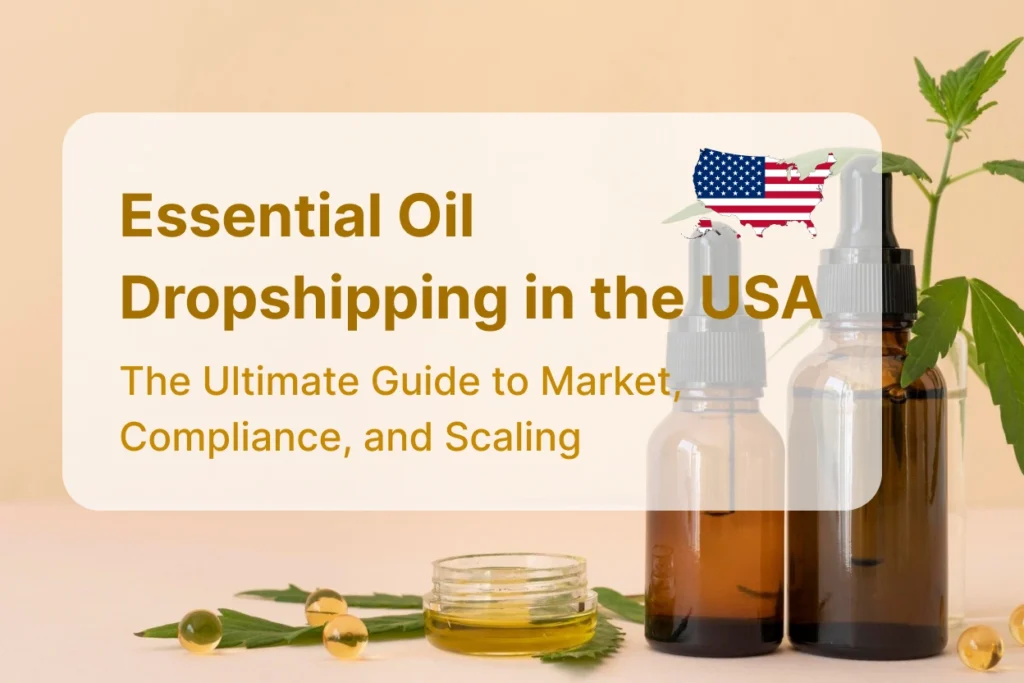
The U.S. wellness market continues to grow as more consumers turn to plant-based products for self-care, skincare, and emotional well-being. And within that shift, essential oils have become one of the most stable—and profitable—product categories for ecommerce sellers.
For dropshipping businesses, the appeal is obvious: strong repeat purchase potential, high perceived value, and demand that spans multiple audiences—from aromatherapy enthusiasts to clean beauty shoppers.
But selling essential oils in the U.S. comes with real complexity too. Regulations are strict, shipping can be tricky, and sourcing the right products matters more than many new sellers expect.
If you’re planning to launch or scale an essential oil business without holding inventory, this guide covers what you need to know—from market demand and compliance to logistics and growth strategies—and how Ship To The Moon helps simplify the process.
The U.S. Essential Oil Market: Strong Demand with Room to Grow
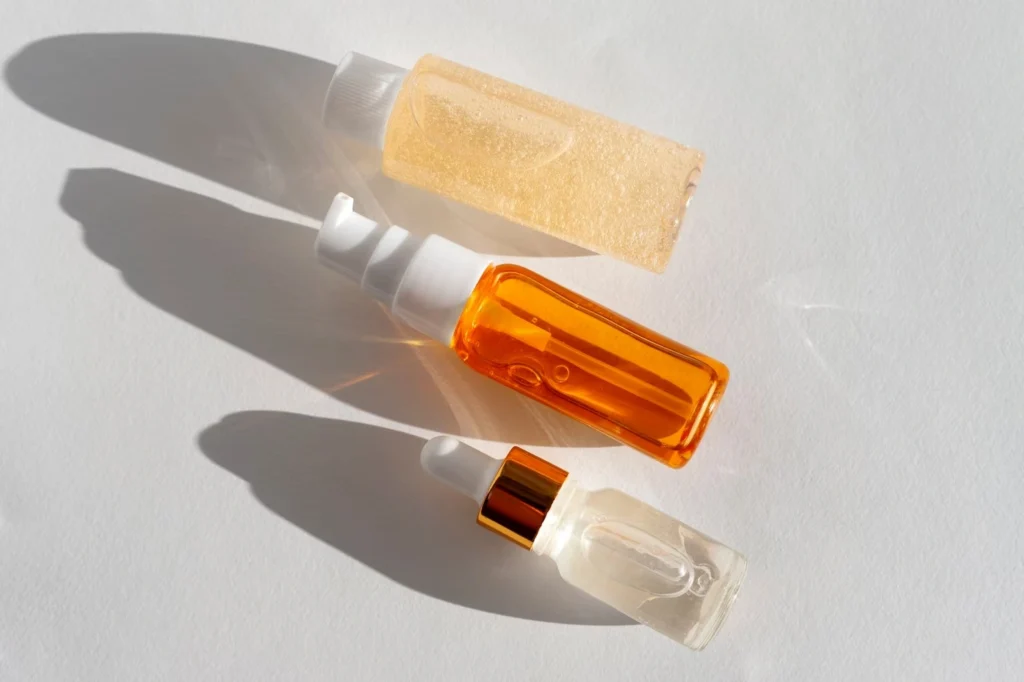
The U.S. essential oil market has remained consistently strong over the past few years, and growth is expected to continue.
According to Grand View Research, the market reached $10.28 billion in 2025 and is projected to grow to $21.09 billion by 2033, with a CAGR of 9.4% between 2026 and 2033.
A few major trends continue to drive that momentum:
- rising interest in wellness and aromatherapy
- increasing demand for clean-label beauty and home products
- wider ecommerce adoption across niche product categories
- consumers looking for small daily rituals tied to relaxation and self-care
Single oils such as lavender, peppermint, and tea tree continue to dominate because they’re versatile and easy to market across different use cases—diffusers, skincare, massage blends, and home fragrance.
Blended oils are growing even faster. Products positioned around sleep, relaxation, focus, or mood support perform especially well because customers increasingly prefer ready-to-use solutions over DIY mixing.
Citrus oils—especially orange oil—also remain popular thanks to their broad appeal, accessible pricing, and flexibility across fragrance and home applications. The citrus segment is anticipated to hold a dominant the market with a share of 42.10% in 2026.
For ecommerce sellers, this creates an unusually attractive product category: demand is steady, margins are healthy, and customers often come back for repeat orders.
Who Buys Essential Oils in the U.S.?
Understanding who buys essential oils—and why—is often what separates stores that scale from stores that struggle.
In the U.S., the core customer base tends to be:
- younger adults between 18–40. The 18–29 age group accounts for 35.7% of total consumers, while the 30–40 age group accounts for 25.0%. (Source: ResearchGate – Public Perception and Usage Trends of Essential Oils: Findings from a Nationwide Survey)
- predominantly female shoppers with above-average education levels
- urban consumers with wellness-focused lifestyles
- customers already purchasing skincare, supplements, candles, or home fragrance products
Many buyers use essential oils as part of everyday routines: winding down before bed, freshening a room, adding to skincare rituals, or creating a calming home environment.
One particularly interesting segment is healthcare professionals. Consumer research shows a significant portion of frequent essential oil buyers work in healthcare or adjacent wellness industries. This group tends to care deeply about:
- ingredient transparency
- sourcing origin
- purity standards
- GC-MS testing
- organic or clean-label positioning
That means product quality isn’t just a backend issue—it becomes part of your marketing message.
Today’s shoppers are also far more ingredient-aware than they were a few years ago. Claims around additive-free, sustainably sourced, and third-party tested products can directly influence conversion and repeat purchase behavior.
Compliance Rules Every Essential Oil Dropshipper Should Understand
This is where many sellers underestimate the U.S. market.
The biggest challenge in selling essential oils often isn’t competition—it’s compliance.
In the United States, how your essential oil is classified depends not only on the product itself, but also on how you describe it online – specifically, its “intended use”.
The establishment of intended use is not determined solely by packaging labels, but is collectively shaped by the merchant’s website copy, product name, blog posts, social media advertisements, search metatags, and even consumers’ traditional perceptions of the ingredient in question.
Under FDA guidelines:
Cosmetic claims
If the product is marketed for:
- fragrance
- beautifying
- cleansing
- moisturizing
- aromatherapy atmosphere
…it is generally treated as a cosmetic.
That means it falls under MoCRA (Modernization of Cosmetics Regulation Act) requirements for:
- safety substantiation
- ingredient documentation
- adverse event reporting
- compliant labeling

Drug claims
Problems start when marketing language crosses into medical territory.
Claims such as:
- “treats anxiety”
- “anti-inflammatory”
- “antibacterial”
- “cures insomnia”
- “supports depression treatment”
can trigger FDA drug classification.
At that point, the product may legally be considered an unapproved drug—which can result in warning letters, listing removals, or penalties.
For most ecommerce sellers, safer language is usually the better strategy.
Instead of:
- antibacterial → use purifying or cleansing
- anti-inflammatory → use soothing or comforting
- treats insomnia → use promotes relaxation or helps create a calming bedtime atmosphere
The table below outlines common drug-related cosmetic claim terms that are restricted, explains their compliance risks, and provides safer alternative wording along with compliant marketing examples suitable for cosmetic product positioning.
| Restricted Terms (Drug Claims) | Why It’s Restricted / Compliance Risk | Recommended Alternatives (Cosmetic Claims) | Compliant Marketing Example |
|---|---|---|---|
| “Antibacterial,” “Antiseptic,” “Antiviral” | Implies killing or inhibiting harmful microorganisms. Considered drug or disinfectant claims under FDA regulations. | “Cleansing,” “Purifying,” “Clarifying” | “This tea tree oil cleanser gently purifies and deeply cleanses the skin, leaving it feeling fresh, clear, and balanced.” |
| “Anti-inflammatory” | Suggests treatment of inflammation or alteration of the body’s physiological functions, which falls under drug claims. | “Soothing,” “Calming,” “Comforting” | “The gentle aroma of chamomile essential oil helps soothe dry skin and creates a calming, comforting experience.” |
| “Treats Anxiety/Depression,” “Cures Insomnia” | Claims to treat diagnosed mental health or neurological conditions. Classified as medical claims. | “Promotes Relaxation,” “Creates a Calming Atmosphere” | “Add a few drops of lavender oil to your diffuser before bed to create a relaxing atmosphere for a peaceful evening routine.” |
| “Eases Muscle Pain,” “Relieves Arthritis” | Refers to treatment of pain, inflammation, or musculoskeletal conditions, which are therapeutic drug claims. | “Revitalizing Massage,” “Rejuvenating” | “Use with a massage blend for a revitalizing massage that helps you unwind and feel refreshed after a long day.” |
| “Heals Acne/Eczema” | Acne, eczema, and dermatitis are recognized skin conditions. Claims like “heal” or “cure” are not compliant for cosmetics. | “Improves Appearance,” “Beautifying,” “Reinvigorating” | “This rosehip oil deeply nourishes the skin and helps improve the appearance of dryness and fine lines for a healthy-looking glow.” |
A standard disclaimer is also widely recommended:
This information is not intended to diagnose, cure, mitigate, treat, or prevent any disease. These products are not drugs as defined by the FDA.
For many brands, this is exactly where working with an experienced sourcing and fulfillment partner becomes valuable.
Ship To The Moon helps reduce compliance risk by offering U.S.-ready products with labeling support aligned with FDA, MoCRA, and state-level requirements.
Supply Chain Strategy: Manufacturer vs Dropshipping Platform
When building an essential oil business, sourcing strategy matters just as much as marketing.
Many sellers choose between:
Working directly with manufacturers
Pros:
- stronger control over product specs
- private label flexibility
- potentially lower unit costs at volume
Challenges:
- higher MOQs
- more coordination
- more operational management
Using dropshipping platforms
Pros:
- easier setup
- lower upfront risk
- faster store launch
Challenges:
- inconsistent quality control
- limited customization
- less visibility into compliance and sourcing
Ship To The Moon sits between those two models.
It combines the flexibility of a dropshipping platform with the operational support sellers usually expect from a sourcing partner.
That includes:
- curated essential oil catalog
- single oils and blended oils
- organic options
- roll-ons and gift-ready sets
- private label and custom packaging
- real-time inventory visibility
- transparent pricing
- fulfillment support built for U.S. ecommerce brands
For new sellers, that means a faster launch.
For established brands, it means easier scaling without adding operational complexity.
Logistics & Shipping: Essential Oils Need Specialized Handling
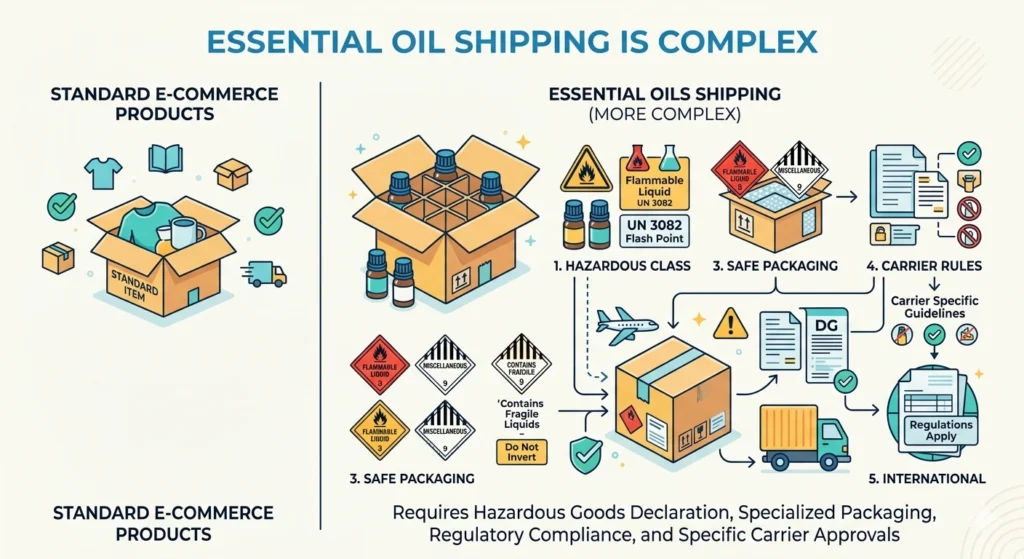
Shipping essential oils is more complex than shipping standard ecommerce products.
Because many essential oils contain volatile compounds, they’re often classified as Class 3 flammable liquids under U.S. transport regulations.
That affects:
- carrier eligibility
- shipping methods
- packaging requirements
- labeling standards
Some oils can only travel via ground shipping. Others may qualify for air transport with the right documentation.
Packaging matters too.
A leaking bottle doesn’t just mean a refund—it can mean damaged surrounding inventory, customer complaints, replacement costs, and carrier issues.
This is why fulfillment experience matters.
Ship To The Moon helps simplify this with:
- leak-resistant packaging designed for essential oil transport
- reliable U.S. shipping options
- cross-border logistics support
- order tracking visibility
- handling processes built around hazmat shipping requirements
For customers, that means faster deliveries.
For store owners, it means fewer operational headaches after checkout.
Marketing Essential Oils: SEO and Social Content That Converts
Essential oils are highly visual, emotional products—which makes content marketing especially important.
Stores that rely only on product listings often struggle.
Stores that educate, inspire, and build trust tend to perform much better over time.
For SEO, a strong strategy is to build content around hero ingredients.
For example:
Lavender essential oil can become a pillar topic, supported by content like:
- lavender diffuser blend ideas
- how to use lavender oil before sleep
- lavender oil for home fragrance routines
- lavender oil in skincare rituals
This creates topical authority while helping your store rank for valuable long-tail searches.
On social platforms like Instagram, Pinterest, and TikTok, content tends to work best when it feels lifestyle-driven rather than overly promotional.
High-performing formats often include:
- scent preference polls
- mood-based storytelling
- short blending tutorials
- “how I use this at home” content
- calming visual rituals tied to relaxation or self-care
In a category as sensory and routine-driven as essential oils, people often buy the feeling first—and the product second.
Key Takeaways for Essential Oil Dropshipping Sellers
If you’re entering the U.S. essential oil market, a few things matter most:
Prioritize quality and compliance
Product quality, documentation, and compliant labeling directly impact customer trust and long-term growth.
Speak to lifestyle, not medical treatment
Focus on wellness routines, mood, scent, and atmosphere—not medical promises.
Work with the right logistics partner
Hazmat shipping and packaging complexity can become expensive quickly without the right fulfillment setup.
Build a brand beyond price
Content, education, and trust are what create repeat customers in this category.
Ready to Launch Your Essential Oil Dropshipping Business?
Essential oils continue to be one of the most promising wellness categories in U.S. ecommerce.
Demand is stable. Margins are strong. And customers are actively looking for new brands they trust.
With the right sourcing and fulfillment partner, launching becomes much simpler.
Ship To The Moon helps brands move faster with:
- premium essential oil sourcing
- private label options
- custom packaging
- U.S. fulfillment support
- store integrations
- automated order syncing
- dedicated customer support
Getting started is simple:
- Create your free Ship To The Moon account
- Choose from premium essential oils, blends, and ready-to-sell sets
- Connect your ecommerce store
- Start selling while Ship To The Moon handles fulfillment and delivery
If you’re ready to build an essential oil brand for the U.S. market, Ship To The Moon gives you the tools to launch with confidence—and scale without the usual operational friction.
Visit Essential Oil Dropshipping Page today and start your essential oil dropshipping journey.