


Why Most Supplement Dropshipping Advice Doesn’t Work
Search for “best supplements to sell online,” and you’ll usually find the same advice repeated over and over: sell weight loss pills, testosterone boosters, detox products, or whatever happens to be trending on TikTok this month.
That advice may generate clicks, but it rarely builds a sustainable business.
For supplement dropshipping stores, especially those running on Shopify or WooCommerce, the real challenge isn’t finding products with demand. Demand exists almost everywhere in the wellness market. The challenge is finding products that can survive the realities of paid advertising, payment processing, international fulfillment, customer retention, and increasingly strict platform compliance rules.
A supplement that sells well on Amazon may be impossible to advertise profitably on Meta. A viral TikTok product may trigger payment processor reviews. A high-margin formula may become unprofitable once shipping costs and refund rates are factored in.
The U.S. dietary supplement market continues to expand rapidly, with industry estimates projecting it to exceed $130 billion over the next decade as consumers increasingly prioritize preventive health, wellness optimization, and healthy aging. But not every growing supplement category is equally suitable for dropshipping businesses.
After reviewing current U.S. supplement trends, DTC brand strategies, fulfillment economics, and platform policies, several categories consistently stand out as particularly well suited for dropshipping and private-label wellness brands.

How We Evaluated These Supplement Categories
Most “best supplements to sell” lists focus entirely on search volume or social media trends. That’s rarely how successful supplement brands are built.
For Shopify and DTC sellers, a more useful question is:
Which supplement categories can remain profitable after advertising costs, fulfillment costs, compliance risk, and customer acquisition costs are taken into account?
To answer that question, we evaluated categories using five practical criteria:
| Factor | Why It Matters |
|---|---|
| Average order value | Higher AOV supports paid acquisition |
| Shipping efficiency | Lightweight products protect margins |
| Repeat purchase rate | Subscription potential increases LTV |
| Advertising compliance | Lower account risk enables stable growth |
| Private-label opportunity | Branding creates long-term value |
This approach intentionally excludes many products that perform well on marketplaces but often struggle in direct-to-consumer businesses.
1. Stress Relief and Adaptogens
If there is one supplement category that captures the modern wellness consumer, it’s stress management.
Americans increasingly view stress support as part of everyday self-care rather than a medical issue. This shift has created enormous demand for adaptogens and daily wellness supplements that fit naturally into morning and evening routines.
Ashwagandha remains the category leader, particularly in gummy format, thanks to strong consumer awareness and exceptional social media performance. Magnesium glycinate, L-theanine, rhodiola, and reishi mushroom have also become staples among wellness-focused DTC brands.
What makes this category especially attractive for dropshipping is its combination of broad consumer appeal, strong repeat purchase behavior, and relatively low compliance risk. Consumers rarely buy stress support supplements as one-time purchases. They buy them because they want to feel better every day.
Recommended products include:
- Ashwagandha gummies
- Magnesium glycinate
- L-theanine supplements
- Reishi mushroom blends
- Rhodiola rosea
- Daily stress support formulas
The key consideration here is positioning. Successful brands focus on supporting calm, balance, and daily wellness rather than making explicit medical or psychiatric claims.
2. Sleep Supplements
Sleep has quietly become one of the largest wellness categories in the United States.
Consumers increasingly view sleep optimization not as a medical issue, but as a lifestyle investment. Unlike many supplements purchased impulsively, sleep products often become part of long-term evening routines, making them particularly attractive for subscription-based businesses.
Many modern DTC brands have also moved beyond traditional melatonin-heavy formulations, instead focusing on gentler ingredients designed for consistent daily use.
Recommended products include:
- Magnesium sleep gummies
- L-theanine sleep formulas
- Glycine powder
- Tart cherry extract
- Apigenin capsules
- Reishi sleep blends
- Bedtime mushroom gummies
The emotional nature of sleep problems makes this category especially effective for content marketing, influencer campaigns, and user-generated content. However, brands should avoid disease-oriented claims such as “treat insomnia” or “cure sleep disorders.”
3. Gut Health and Digestive Wellness
Few supplement categories combine market size, customer loyalty, and subscription potential as effectively as gut health.
Consumer awareness of the microbiome has expanded dramatically over the past decade, transforming probiotics and digestive support products from niche supplements into mainstream wellness staples. For dropshipping brands, this matters because gut health consumers often evaluate results over weeks and months rather than days, naturally encouraging repeat purchases.
Shelf-stable formulations are particularly important for cross-border fulfillment, while fiber supplements and greens powders continue to attract broad consumer interest.
Recommended products include:
- Shelf-stable probiotics
- Digestive enzyme formulas
- Fiber gummies
- Apple cider vinegar gummies
- Gut wellness blends
- Organic greens powders
- Greens with probiotics
One practical consideration often overlooked by new sellers is logistics. Refrigerated probiotics may perform well domestically but can create significant challenges in international dropshipping operations.
4. Beauty From Within
The line between beauty and wellness has become increasingly blurred.
Consumers who invest in skincare, cosmetic treatments, and beauty routines are also becoming major buyers of ingestible supplements. This convergence has created one of the most profitable categories for direct-to-consumer brands.
Collagen remains the dominant product segment, supported by strong consumer awareness and highly visual lifestyle marketing. Biotin gummies, hair-skin-nails formulas, and beauty-focused nutritional blends have also become core products for many female-focused wellness brands.
Recommended products include:
- Hydrolyzed collagen peptides
- Marine collagen powder
- Biotin gummies
- Hair, skin and nails formulas
- Keratin supplements
- Hyaluronic acid capsules
- Beauty greens
Unlike many supplement categories, beauty products benefit from consumers’ willingness to pay substantial premiums for branding, packaging, and overall experience.
5. Brain Health and Cognitive Performance
The market for cognitive wellness products has expanded far beyond students preparing for exams.
Remote workers, entrepreneurs, software developers, gamers, creators, and knowledge workers increasingly seek products that support focus, mental clarity, and productivity. As a result, nootropics have evolved from a niche biohacker category into a mainstream wellness segment.
Lion’s mane mushroom has become the most recognizable ingredient in this space, while combinations such as caffeine and L-theanine continue to perform strongly due to their immediate consumer relevance.
Recommended products include:
- Lion’s mane capsules
- Lion’s mane gummies
- Focus formulas
- Caffeine and L-theanine blends
- Bacopa monnieri
- Alpha-GPC
- Mushroom coffee
- Nootropic stacks
Because cognitive products often attract regulatory scrutiny, brands should carefully avoid claims related to ADHD, depression, dementia, or other medical conditions.
6. Functional Mushroom Supplements
Few supplement categories have experienced as much momentum in recent years as functional mushrooms.
Interest in ingredients such as lion’s mane, reishi, cordyceps, and chaga has expanded far beyond alternative health communities. Their popularity reflects several larger consumer trends simultaneously: stress management, cognitive wellness, natural health, and longevity.
Part of their appeal lies in their positioning. Functional mushrooms combine scientific curiosity, premium wellness branding, and lifestyle identity in a way that few supplement categories can replicate.
Recommended products include:
- Lion’s mane
- Reishi
- Cordyceps
- Chaga
- Turkey tail
- Mushroom complexes
- Mushroom coffee
- Mushroom gummies
For private-label brands, functional mushrooms offer another important advantage: consumers often buy into the story and lifestyle surrounding the products as much as the ingredients themselves.
7. Healthy Aging and Longevity
Longevity has become one of the fastest-growing premium wellness sectors in the United States.
Driven by affluent consumers, health optimization enthusiasts, and increasing interest in healthy aging, this category has rapidly transitioned from scientific circles into mainstream consumer markets.
Unlike many traditional supplement buyers, longevity consumers tend to prioritize ingredient quality, scientific narratives, and brand trust over price.
Recommended products include:
- NAD+ support formulas
- Cellular energy supplements
- CoQ10
- PQQ
- Spermidine
- Resveratrol
- Healthy aging gummies
While certain anti-aging ingredients remain controversial or heavily regulated, many longevity-support supplements offer attractive opportunities for premium DTC brands with relatively manageable compliance risks.
8. Sports Recovery and Hydration
Traditional sports supplements often create challenges for dropshipping businesses.
Protein powders are heavy and expensive to ship. Muscle-building claims attract additional scrutiny. Performance-enhancing products frequently create elevated advertising and compliance risks.
Recovery, however, represents a very different opportunity.
Hydration products, recovery supplements, and joint support formulas appeal to a much broader audience than professional athletes and bodybuilders. They also align closely with larger wellness trends around active lifestyles and recovery optimization.
Recommended products include:
- Electrolyte powders
- Hydration sticks
- Recovery gummies
- Magnesium recovery formulas
- Amino recovery blends
- Joint support supplements
The strongest brands in this category position themselves around recovery, mobility, and daily wellness rather than athletic performance enhancement.
9. Why Gummies Deserve Their Own Category
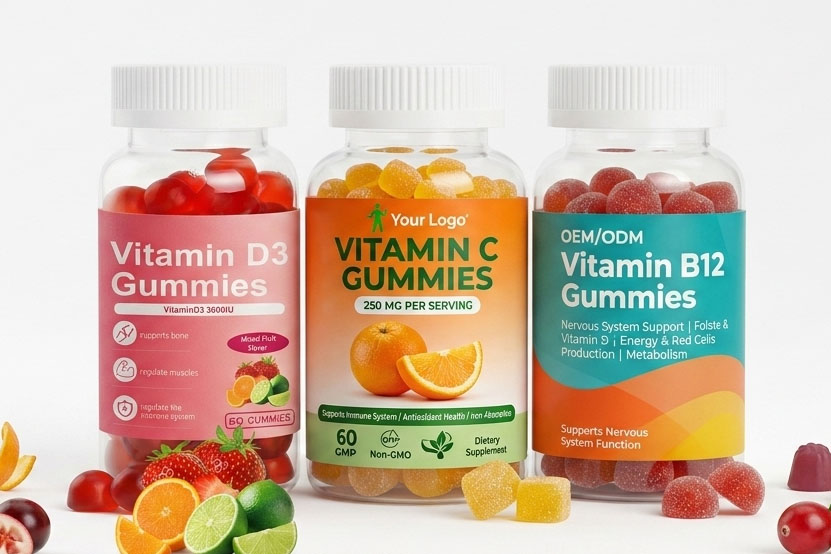
Perhaps the most important trend in modern supplement commerce isn’t a specific ingredient.
It’s a format.
Consumers increasingly prefer supplements that feel enjoyable rather than medicinal. This shift helps explain why gummies continue gaining market share across nearly every major supplement category.
For dropshipping brands, gummies offer several advantages. They perform well on social media, generate visually appealing content, encourage repeat purchases, and support premium branding strategies.
Some of the strongest gummy categories include:
- Ashwagandha gummies
- Magnesium gummies
- Sleep gummies
- Fiber gummies
- Apple cider vinegar gummies
- Beauty gummies
- Hair, skin and nails gummies
- Mushroom gummies
Of course, gummies also create operational challenges. They are more sensitive to heat, have shorter shelf lives, and require more specialized fulfillment capabilities than traditional capsules.
Supplements You Should Avoid for Dropshipping
Interestingly, some of the largest supplement categories are also among the least attractive for dropshipping businesses.
Categories that often create excessive operational and compliance risk include:
- Weight loss supplements
- Fat burners
- Detox products
- Testosterone boosters
- Sexual enhancement supplements
- “Natural Ozempic” products
- Disease-treatment supplements
These products frequently encounter advertising restrictions, payment processor reviews, elevated chargeback rates, and increased regulatory scrutiny.
For most Shopify brands, avoiding these categories entirely is often the more profitable long-term strategy.
Why Supplement Fulfillment Matters More Than Product Selection
After speaking with supplement founders and operators, one pattern emerges repeatedly:
Most supplement businesses do not fail because they choose the wrong product.
They fail because they underestimate operations.
The problems usually appear later:
- inconsistent suppliers,
- poor quality control,
- leaking capsules,
- melted gummies,
- limited private-label options,
- shipping delays,
- or inadequate compliance documentation.
This is why many growing supplement brands eventually move beyond traditional marketplace suppliers and begin working directly with sourcing and fulfillment partners that specialize in supplements.
For brands selling into the U.S. market, this often means finding partners capable of combining factory sourcing, private labeling, quality inspection, supplement fulfillment, and stable cross-border logistics.
Companies such as Ship To The Moon increasingly operate in this space, helping merchants bridge the gap between supplement manufacturing and modern DTC fulfillment while maintaining the flexibility that independent brands require.
Final Thoughts
The best supplement for dropshipping is rarely the one generating the most hype today.
More often, it’s the product category that combines recurring demand, manageable compliance risk, efficient fulfillment, and the potential to become a real brand.
Stress support, sleep, gut health, beauty, cognitive wellness, functional mushrooms, longevity, recovery, and gummies all share these characteristics.
For entrepreneurs building supplement brands on Shopify and other DTC platforms, the most important question is no longer:
“What supplements are selling right now?”
It’s:
“What supplements can I still be selling successfully three years from now?”
Because in supplements, sustainable businesses are rarely built around trends.
They’re built around habits.