Launch your dropshipping journey today – Your first sale is closer than you think!


If you’ve ever wished you could run an online store without warehouses, inventory headaches, or packing tape, you’re not alone. Traditional retail ties up cash in products that might never sell — while modern entrepreneurs are shifting to a smarter model: dropshipping.
This isn’t just a buzzword. For U.S. eCommerce sellers, dropshipping represents a fundamental shift in order fulfillment — a way to scale, diversify, and stay lean in an unpredictable economy.
In this guide, we’ll break down how the model works, who’s involved, and what you need to know to build a reliable and profitable operation.
What Is Dropshipping?
Dropshipping is a retail fulfillment strategy where the store owner — known as the seller of record — sells products without physically holding inventory. This article tells you what is dropshipping business and why so many Shopify Etrepreneurs love it.
The Three Key Players in Every Dropshipping Operation
- Customer — browses your online store and places an order.
- Retailer (You, the Seller of Record) — owns the store, processes payments, handles marketing and customer service.
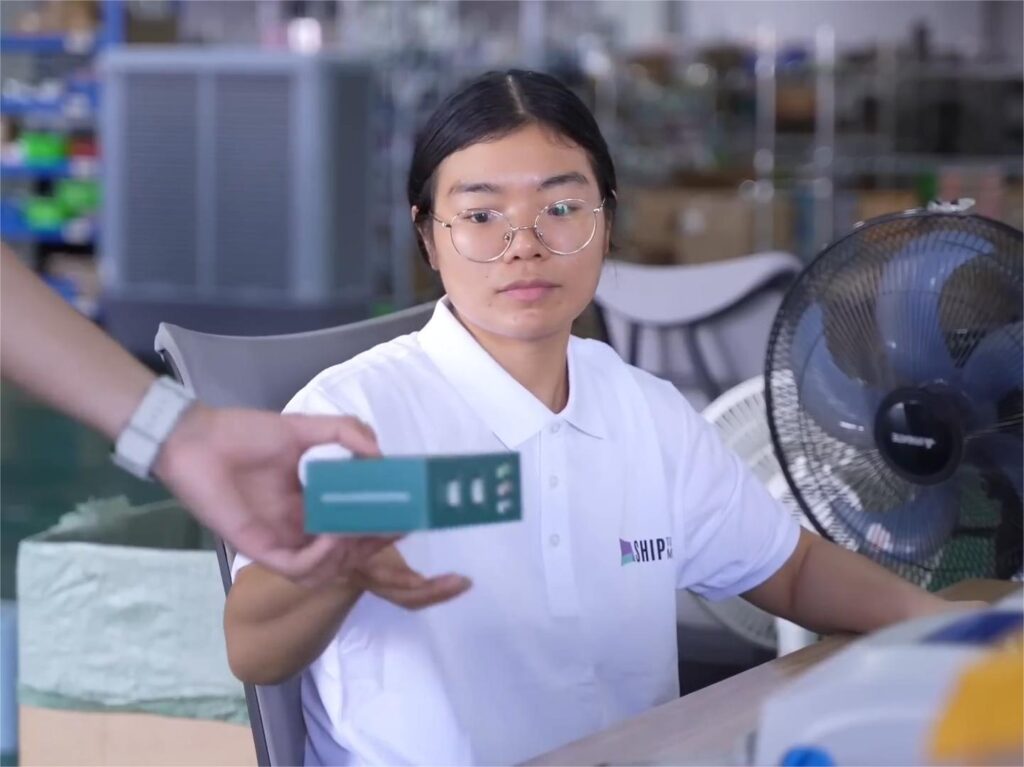
- Supplier / Dropshipping Partner — manages inventory, picks, packs, and ships the product — often using your logo or packaging. Such as: Ship To The Moon
Every successful dropshipping business is a collaboration between front-end marketing and back-end logistics.
Step-by-Step: How does Drop Shipping Works in Real Life
Let’s walk through a typical dropshipping transaction — from click to doorstep:
1️⃣ Step 1: Listing & Marketing
You set up your store on platforms like Shopify, WooCommerce, or Amazon, upload your supplier’s products, and set your retail price.
Your job: drive traffic through ads, SEO, or social media campaigns.
2️⃣ Step 2: Customer Purchase
A customer finds your product, checks out on your store, and pays you the full retail price — say, $60.
3️⃣ Step 3: Order Forwarding
Your eCommerce platform (via apps like DSers or Syncee) automatically sends the order details to your supplier, along with the wholesale payment — maybe $30.
4️⃣ Step 4: Fulfillment & Shipping
Your supplier picks the product from inventory, packages it — sometimes with your brand label — and ships it directly to the customer.
5️⃣ Step 5: Profit Margin
You keep the difference between retail and wholesale price (minus small operating costs).
💰 Example: $60 (retail) – $30 (wholesale) – $10 (ads/fees) = $20 profit per sale.
From your customer’s point of view, the experience is identical to buying from a traditional retailer.
Why U.S. Sellers Love Dropshipping
Dropshipping’s appeal for American eCommerce professionals lies in flexibility and efficiency — you spend less time managing logistics and more time building your brand.
| Advantage | Why It Matters |
|---|---|
| Low Startup Cost | No need for upfront inventory; your biggest investment is marketing. |
| Minimal Risk | You buy only after you’ve sold — not the other way around. |
| No Warehousing | Perfect for remote sellers and digital nomads. |
| Easy Product Testing | Instantly swap, add, or remove items based on trends. |
| Scalable | As orders grow, your suppliers handle the physical work. |
| Focus on Marketing & Branding | You spend time where it matters — storytelling, content, and customer loyalty. |
For small U.S. retailers or new Shopify owners, it’s the most cost-efficient way to enter eCommerce without heavy investment.
Action Plan: How to Build a Smart Dropshipping Business
- Pick a Profitable Niche — Identify pain-point products for U.S. audiences (e.g., home fitness, pet accessories, sustainable lifestyle tools).
- Vet Your Supplier — Ask about average fulfillment times to U.S. ZIP codes, product sample quality, and customization options.
- Optimize Your Store — Focus on speed, trust signals, and mobile experience.
- Market Creatively — Use TikTok, Instagram Reels, and Pinterest to create viral product moments.
- Analyze & Adjust — Track your ad spend, ROI, and break-even ROAS to stay profitable.
The Bottom Line: Why Dropshipping Still Works
Dropshipping isn’t about cutting corners — it’s about restructuring efficiency.
By outsourcing logistics, you free up time and capital to focus on marketing, branding, and building customer relationships.
For American eCommerce sellers, that’s a huge advantage in a crowded market.
And when you work with an experienced fulfillment partner like Ship To The Moon, you get the best of both worlds — global product sourcing with local-level reliability.
So whether you’re scaling an existing Shopify brand or starting fresh, dropshipping remains one of the smartest, leanest paths to online success.
In a world where speed, flexibility, and branding define success, dropshipping gives U.S. sellers the power to compete — without ever touching a single box.
Sell smarter. Ship faster. Build globally.
That’s the Ship To The Moon way.