

If you’ve looked into starting an online store, you’ve probably come across dropshipping. On paper, it sounds almost too good to be true — no inventory, no warehouse, no packing.
But here’s the reality: dropshipping does work — just not in the way most beginners expect.
For U.S.-based sellers in 2026, the model is less about “easy money” and more about smart execution, supplier control, and fast logistics. Done right, it’s still one of the leanest ways to build an eCommerce business.
In this guide, we’ll break down how the model works, who’s involved, and what you need to know to build a reliable and profitable operation.
What Is Dropshipping — Really?
At its core, dropshipping is a fulfillment model where you sell products without stocking them yourself.
Instead of buying inventory upfront, you only purchase a product after a customer places an order. A third-party supplier then ships it directly to your customer.
You handle:
- Storefront
- Marketing
- Payments
- Customer experience
Your supplier handles:
- Inventory
- Packing
- Shipping
Simple in theory — but the details are where most businesses succeed or fail.
This article tells you what is dropshipping business and why so many Shopify Etrepreneurs love it.
How Dropshipping Actually Works (Behind the Scenes)
Let’s walk through a typical dropshipping transaction — from click to doorstep:
Step 1: You list a product
You set up your store on platforms like Shopify, WooCommerce, or Amazon, upload your supplier’s products, and set your retail price.
Your job: drive traffic through ads, SEO, or social media campaigns.
Step 2: A customer places an order
A customer finds your product, checks out on your store, and pays you the full retail price — say, $60.
Step 3: You forward the order
Your eCommerce platform (via apps like DSers or Syncee) automatically sends the order details to your supplier, along with the wholesale payment — maybe $30.
Step 4: The supplier ships it
Your supplier picks the product from inventory, packages it — sometimes with your brand label — and ships it directly to the customer.
Step 5: You keep the margin
After ad spend and fees, your profit might look like this:
- $60 (retail price)
- – $30 (product cost)
- – $10–15 (ads + fees)
- = ~$15–20 profit
That’s the basic flow — but what most guides don’t tell you is this:
Shipping speed, product quality, and supplier reliability matter more than the model itself.
Why Dropshipping Still Works in the U.S.
Despite rising ad costs and competition, U.S. sellers are still using dropshipping — but they’re doing it differently than before.
| Advantage | Why It Matters |
|---|---|
| Low Startup Cost | No need for upfront inventory; your biggest investment is marketing. |
| Minimal Risk | You buy only after you’ve sold — not the other way around. |
| No Warehousing | Perfect for remote sellers and digital nomads. |
| Easy Product Testing | Instantly swap, add, or remove items based on trends. |
| Scalable | As orders grow, your suppliers handle the physical work. |
| Focus on Marketing & Branding | You spend time where it matters — storytelling, content, and customer loyalty. |
In fact, many small Shopify brands in the U.S. start with dropshipping, then transition into private labeling once they find winning products.
The Part Most Beginners Get Wrong
This is where many articles fall short.
Dropshipping doesn’t fail because the model is broken — it fails because of bad execution.
Common issues:
- Slow shipping (10–20 days) → leads to refunds and chargebacks
- Inconsistent product quality → kills repeat customers
- No brand differentiation → competing only on price
- Unreliable suppliers → delayed or missing orders
For U.S. customers, expectations are high:
- 3–7 day delivery is becoming standard
- Clear tracking is expected
- Returns must be manageable
If you ignore these, your store won’t last — no matter how good your ads are.
What Smart U.S. Sellers Do Differently
Successful dropshippers today don’t rely on random suppliers from marketplaces.
Instead, they:
1. Work with private agents or fulfillment partners
This helps control shipping times and product quality.
2. Prioritize faster delivery to the U.S.
Often via:
- Local warehouses
- YunExpress / USPS last-mile delivery
- 5–8 day shipping options
3. Build a brand — not just a product page
They invest in:
- Better product pages
- UGC content
- Clear positioning
4. Track real numbers
They focus on:
- Break-even ROAS
- Profit margins after ads
- Customer acquisition cost
Choosing the Right Supplier (Critical Step)
Your supplier can make or break your business — especially in the U.S. market.
When evaluating a partner, look for:
- Consistent shipping times to U.S. ZIP codes
- Product quality control and sampling
- Branding or private label options
- Stable inventory availability
- Clear communication
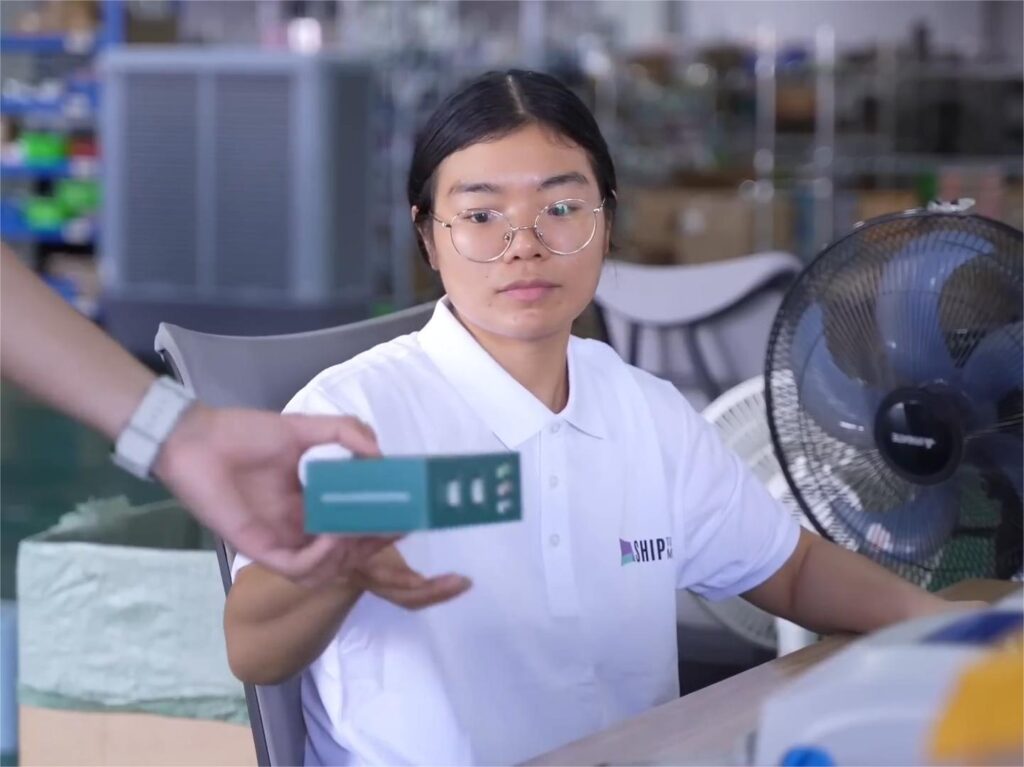
Many growing stores eventually move away from open marketplaces and start working with dedicated fulfillment partners.
For example, some sellers choose partners like Ship To The Moon to get more reliable delivery times, better product sourcing, and branding support — especially when scaling beyond the testing phase.
Want to Build Smarter?
Before choosing your next product, it’s worth evaluating its real potential.
Use a Product Score Calculator to analyze demand, competition, and margin — so you’re not guessing what might work.
Because in 2026, guessing is expensive — and data wins.
FAQ
-
Is dropshipping legal in the United States?
Yes, dropshipping is completely legal in the U.S. As a seller, you’re responsible for collecting sales tax where applicable, following consumer protection laws, and ensuring your products meet safety regulations. The key is working with reliable suppliers and being transparent with customers.
-
How long does shipping take for U.S. customers?
Shipping times vary depending on your supplier:
Overseas suppliers: 7–15 days
Optimized shipping lines: 5–8 days
U.S. local warehouses: 2–5 days
Faster shipping usually leads to higher conversion rates and fewer refunds. -
How do I choose a reliable dropshipping supplier?
Look for suppliers that offer:
Consistent shipping times to the U.S.
Product quality control
Branding options
Stable inventory
Many experienced sellers eventually switch to private agents or fulfillment partners to gain more control over operations.