

Perfume Ecommerce Looks Easy From the Outside. It Isn’t.
A lot of categories in dropshipping feel interchangeable now.
Home goods, novelty toys, and random impulse-buy products with aggressive TikTok hooks. Most stores disappear after a few months because there’s nothing underneath the ad creative.
Perfume is different.
People build routines around fragrances. They remember them. Rebuy them. Associate them with seasons, relationships, trips, even specific periods of their lives. That emotional stickiness is why fragrance ecommerce still has unusually strong margins compared to many saturated product categories.
But perfume also punishes sloppy operations faster than most niches.
One leaking bottle can destroy an entire shipment. One wrong air-shipping setup can trigger carrier violations. One viral TikTok can wipe out your inventory in three days and leave you dealing with angry preorder emails for the next month.
And unlike skincare, customers cannot test the product through the screen.
You’re asking someone to spend $60, $120, sometimes $250… on a smell they’ve never smelled before.
That’s the real business.
- Not “finding winning products.”
- Not “copying competitors.”
- Not “running ads.”
The actual skill in fragrance ecommerce is reducing uncertainty while keeping the experience aspirational.
The inherent risks within the fragrance dropshipping supply chain have created an urgent demand among sellers for a stable, U.S.-based fragrance dropshipping solution. Services like Ship To The Moon’s Perfume Dropshipping USA solution are growing partly because sellers have realized perfume fulfillment is not something you casually duct-tape together after a product goes viral.
Especially in the U.S. market.
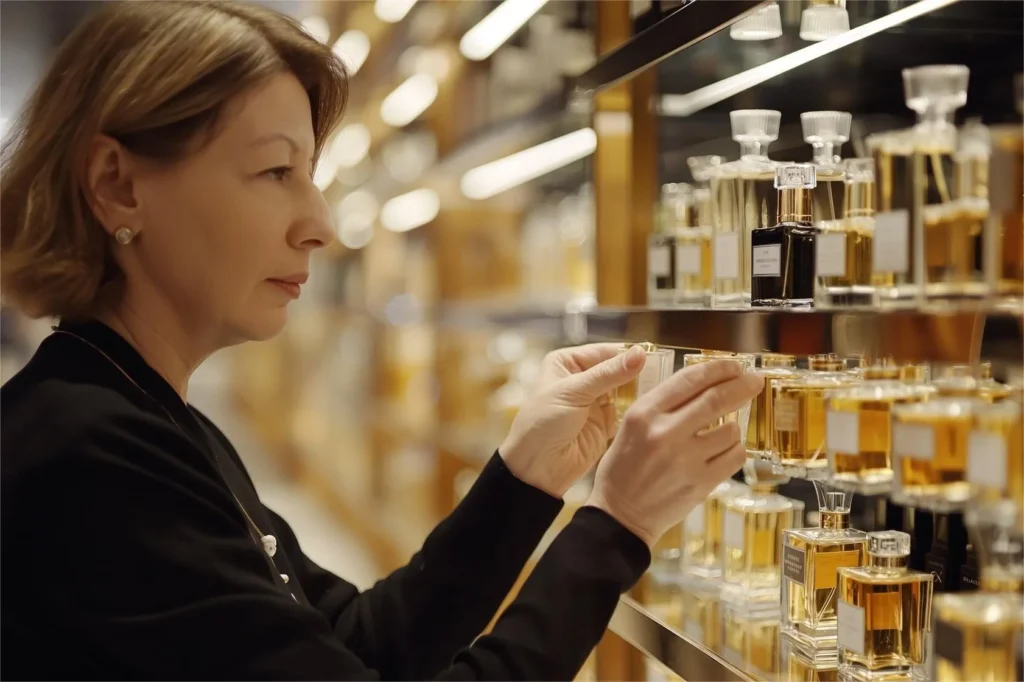
The U.S. Fragrance Market Keeps Growing — But Consumers Buy Perfume Differently Now
The American perfume market is already worth well over $13 billion, according to data from Grand View Research, and it’s still growing steadily.
But the more interesting change is behavioral.
Five or six years ago, a lot of mainstream consumers still approached fragrance the old way:
- One “signature scent.”
- One bottle finished over a year or two.
- Usually bought at Sephora, Macy’s, or duty free.
That mindset has basically collapsed among younger buyers.
Now people build what fragrance communities call a “scent wardrobe.” One fragrance for cold weather. One for dates. One for gym days. One for office wear. One for “clean girl” aesthetics. One for “smells rich.” One for “I want to smell like vanilla ice cream and emotional stability.”
That sounds exaggerated until you spend time watching fragrance TikTok.
Then it suddenly makes perfect sense.
And once consumers stop treating perfume like a rare luxury purchase and start treating it like fashion rotation, buying frequency changes dramatically.
That shift is one reason niche fragrances exploded so hard online.
Not because consumers suddenly became fragrance experts overnight, but because social media turned scent into identity signaling.
You can see it directly in the language customers use now:
- “This smells expensive.”
- “This smells like old money.”
- “This smells like a girl in an oversized cashmere sweater.”
- “This smells emotionally unavailable.”
None of that has anything to do with technical perfumery.
But it converts.
Clean Perfumes Sound Great in Marketing. The Supply Chain Is Much Less Romantic.

The clean beauty trend has reached fragrance in a serious way.
Consumers increasingly search for:
- vegan perfumes,
- cruelty-free fragrances,
- alcohol-free oils,
- botanical ingredients,
- “non-toxic” scent alternatives.
And yes, the demand is real. But fragrance manufacturing behind the scenes is far messier than most ecommerce content makes it sound.
For example, truly natural essential oils are expensive at industrial scale. Extremely expensive.
A high-quality jasmine extraction can require massive amounts of flower material just to produce a relatively tiny amount of oil. Oud and sandalwood sourcing become even more complicated because supply cycles fluctuate constantly and pricing can swing hard depending on harvest conditions and global demand.
That creates a tension fragrance operators know very well:
Customers want “100% natural.” Customers also want consistency, projection, shelf stability, and fast restocks.
Those goals do not always cooperate.
That’s why many modern fragrance brands quietly rely on hybrid formulations — natural ingredients supported by safe synthetic molecules that stabilize performance and make production scalable.
From a dropshipping perspective, this matters more than people think.
A fragrance that goes viral but cannot maintain inventory consistency becomes operationally exhausting very quickly.
You start seeing:
- batch complaints,
- scent inconsistency accusations,
- delivery delays,
- refund requests,
- Reddit threads claiming “the formula changed.”
And sometimes… the formula actually did change.
Choosing a Perfume Supplier Is Really About Risk Management
Most beginners choose fragrance suppliers by looking at product count.
Experienced sellers usually look at fulfillment reliability first.
Because fragrance customers are unusually sensitive to authenticity issues.
One counterfeit accusation can wreck trust fast — especially if you sell niche fragrances where buyers already spend hours comparing batch codes, atomizers, packaging fonts, and cap weight in Reddit communities.
That’s why supplier quality matters more in perfume than in many other dropshipping categories.
1. FragranceX
FragranceX remains one of the more established fragrance dropshipping suppliers in the U.S. ecosystem.
A big reason sellers like it is the blind shipping setup. Packages arrive without loudly advertising a third-party distributor, which helps stores preserve their own branding experience.
That matters more than people realize.
In fragrance ecommerce, presentation shapes trust.
Customers notice things like:
- packaging condition,
- wrapping quality,
- leakage prevention,
- tester labeling,
- and whether the order “feels legitimate.”
Especially for higher-ticket bottles.
2. FragranceNet
FragranceNet has enormous catalog depth and still works well for stores mixing fragrance with beauty products.
A lot of sellers connect through middleware systems like Wholesale2B or AutoDS instead of integrating directly.
Operationally, though, fragrance stores eventually learn the same lesson:
Huge catalogs are less useful than stable fulfillment.
A store with 80 reliable SKUs often outperforms stores importing 8,000 random fragrance listings they barely understand.
3. The Perfume Spot
The Perfume Spot is popular partly because U.S.-based shipping speeds still matter a lot in fragrance.
People buying a trending perfume from TikTok usually do not want to wait three weeks for fulfillment.
Especially not after watching fifteen creators describe it as “life changing.”
4. Ship To The Moon

Ship To The Moon fits into a slightly different operational lane.
Instead of acting purely like a massive catalog supplier, the model leans more toward fulfillment coordination, branding flexibility, private-label support, and U.S.-focused logistics workflows.
That becomes increasingly valuable once sellers move beyond product testing and start building an actual mature fragrance brand identity around repeat purchases.
Because eventually the business stops being about “finding products.”
It becomes about controlling customer experience.
Perfume Shipping Is Where Many Stores Quietly Fail
This is the part TikTok gurus almost never explain properly.
Most alcohol-based perfumes are legally treated as Class 3 flammable liquids in the U.S.
To carriers, that bottle is not “beauty inventory.”
It’s hazardous material.
And once sellers start scaling volume, carriers absolutely care.
1. The Mistake New Sellers Make
A very common beginner mistake looks like this:
- importing perfume products,
- enabling generic express shipping,
- letting customers choose air delivery,
- then handing the package to a carrier like it’s normal skincare.
That setup can become a compliance problem fast.
Especially with repeated shipments.
2. USPS Rules Are Stricter Than Many Sellers Expect
According to USPS hazardous-material guidelines, most alcohol-based perfumes can only travel through domestic ground transportation.
Not air.
Not international priority routes.
And not military forwarding systems that require air movement.
Operationally, that means fragrance stores should clearly communicate:
Ground Shipping Only
Preferably before checkout — not buried inside a shipping policy nobody reads.
A surprisingly large number of customer support headaches disappear once expectations are explained upfront.
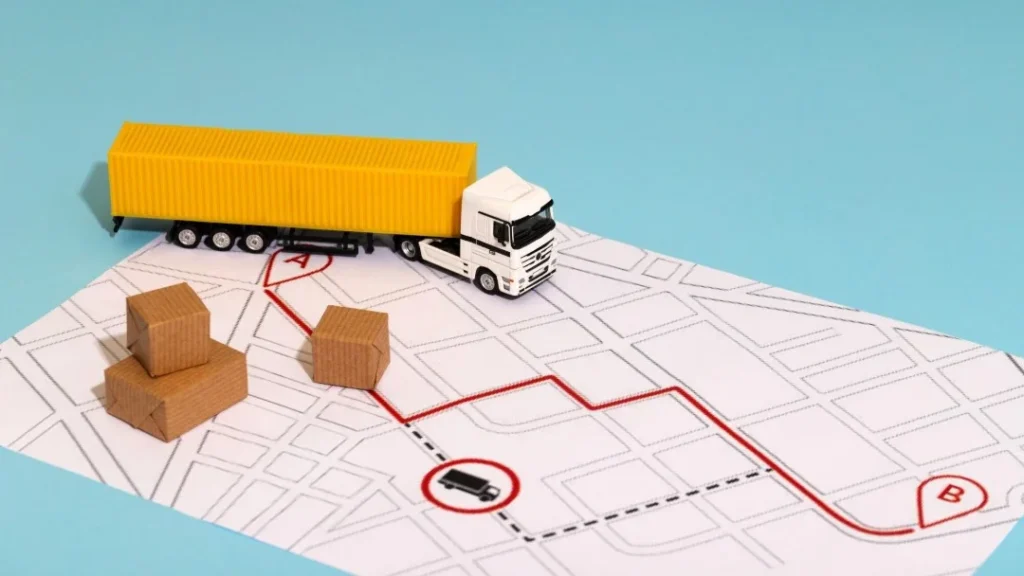
3. Packaging Matters More Than Sellers Think
Perfume fulfillment centers learn this quickly:
The bottle itself usually survives.
The atomizer leakage is the real problem.
Long truck routes, vibration, heat shifts, and pressure fluctuations can slowly loosen poorly secured sprayers.
That’s why serious fragrance fulfillment setups often use:
- double bubble wrapping,
- absorbent internal cushioning,
- corrugated dividers,
- molded inserts,
- tape-sealed caps,
- and dense outer cartons.
A box arriving with even slight fragrance leakage immediately creates customer anxiety because buyers assume the product may be fake, diluted, or previously opened.
The packaging is not just protection.
It’s trust preservation.
4. California Is Its Own Fragrance Compliance Universe
If you sell perfume in America long enough, eventually California becomes unavoidable.
And California plays by different rules.
The California Air Resources Board (CARB) continues tightening VOC regulations affecting fragrance and personal-care products.
Some high-alcohol products, especially certain aerosol formats, create additional compliance complications inside the state.
Larger fragrance retailers already handle this operationally through ZIP-code filtering systems that automatically block restricted SKUs from California orders.
Smaller sellers often discover the issue only after fulfillment problems begin.
One practical workaround some stores now use is product diversification:
- solid perfumes,
- perfume oils,
- rollerballs,
- alcohol-free fragrance formats,
- lower-VOC body products.
Those products are often easier to ship, easier to bundle, and less operationally fragile overall.
Selling Perfume Online Is Mostly About Storytelling
Here’s something people outside fragrance ecommerce underestimate:
Most customers do not actually know fragrance notes very well.
“Tuberose, heliotrope, labdanum, vetiver…”
For experienced fragrance enthusiasts, that language means something. For average consumers, not really. What does work is emotional visualization.
Compare these two descriptions.
Low-converting fragrance copy:
“Features vanilla, amber, musk, and tonka bean.”
High-converting fragrance copy:
“It smells like a Sunday morning with sunlight streaming over crisp white cotton sheets, carried on a breeze with the scent of fresh grass and earth from deep within the garden.”
One gives ingredients. The other gives atmosphere.
TikTok figured this out faster than traditional beauty marketing did.
PerfumeTok Changed the Entire Fragrance Industry
The fragrance side of TikTok is honestly one of the strangest corners of ecommerce right now.
A creator sprays a perfume once, says:
“This smells like a rich girl ignoring your texts in a cashmere coat.”
…and suddenly the product sells out globally.
That sounds ridiculous until you watch it happen repeatedly.
Hashtags connected to fragrance content have generated billions of views, and a huge amount of fragrance discovery now happens socially instead of through department stores.
But the important part is not just virality.
It’s translation.
Creators learned how to translate invisible smells into visual and emotional scenes.
That’s the entire game online.
Discovery Sets Quietly Solve the Biggest Ecommerce Problem
One of the smartest things fragrance stores started doing over the past few years is lowering the emotional risk of blind buying.
Instead of pushing full bottles immediately, stores sell:
- 2ml decants,
- sample kits,
- themed scent collections,
- seasonal discovery boxes.
This works because customers do not mind experimenting.
They mind regretting.
Operationally, sample funnels also improve long-term economics:
small order first → trust established → full bottle later.
Many fragrance brands now include coupons inside sample orders that apply toward future full-size purchases.
Simple idea. Extremely effective.
The Bianco Latte Story Explains How Viral Fragrance Culture Works
Giardini di Toscana created one of the biggest fragrance sensations TikTok has seen in years with Bianco Latte.
What made it interesting was how emotionally people described it.
Not technically.
Nobody cared about fragrance chemistry breakdowns.
People described:
- melted vanilla,
- warm milk,
- caramel,
- soft cookies,
- comfort,
- intimacy.
It became less of a perfume and more of a personality type.
Then came the second phase.
Demand exploded so aggressively that later production batches started getting criticized online. Some buyers complained newer bottles smelled sharper, thinner, more alcoholic, less creamy.
Fragrance communities immediately started debating maturation timelines and rushed production scaling.
And honestly? Some of those complaints were probably legitimate.
This is something newer dropshippers underestimate:
Perfume is a chemical aging product.
Fresh production batches can smell noticeably different from matured ones.
Experienced fragrance sellers sometimes quietly educate customers about maceration — letting fragrances sit in dark storage for several weeks or months after oxygen exposure to allow the composition to settle and deepen.
That kind of educational content reduces refunds surprisingly well because it reframes confusion into expertise.
Lattafa Yara Shows How Bundle Economics Really Work
Lattafa approached virality differently.
Yara exploded because it perfectly matched modern TikTok aesthetics:
- pastel pink bottle,
- sweet creamy profile,
- affordable pricing,
- hyper-feminine branding,
- “clean but edible” scent character.
But the smartest operators were not making the most money from the standalone bottle.
They were making money from bundles.
Perfume.
Body spray.
Perfume oil.
Deodorant.
Room spray.
Suddenly the order value jumps dramatically while shipping costs stay relatively manageable.
And psychologically, the customer feels like they are buying a lifestyle system instead of a fragrance.
That distinction matters.
Especially in social commerce.
At the same time, Arab fragrance brands are becoming more protective about reseller policies and unauthorized distribution. Sellers need to pay attention to supplier legitimacy, platform restrictions, and repackaging rules instead of assuming every trending fragrance can be resold freely forever.
What the Better Fragrance Stores Are Doing in 2026
The stores lasting in fragrance ecommerce right now usually share a few patterns.
They curate more.
They explain more.
They rely less on aggressive hype.
And operationally, they are far tighter than the average dropshipping store.
The strongest sellers tend to:
- use discovery sets aggressively,
- communicate shipping limitations clearly,
- build around emotional storytelling,
- lean heavily into UGC,
- bundle complementary scent products,
- and focus on repeat purchase behavior instead of constant one-product churn.
That last point matters most.
Because fragrance customers, once retained, can become unusually loyal.
Final Thoughts
Perfume dropshipping in the U.S. still has real upside in 2026.
Probably more than many sellers realize.
But it has evolved into a category where logistics, compliance, fulfillment quality, and emotional branding all matter at the same time.
The easy-money phase is mostly gone.
The operators still succeeding tend to understand the category much more deeply than surface-level TikTok trends.
They understand:
- why certain fragrances go viral,
- why some shipments leak,
- why California creates operational friction,
- why samples outperform aggressive discounting,
- and why fulfillment quality directly affects trust.
For sellers trying to build something more sustainable than short-term trend stores, infrastructure matters. That’s part of why solutions like Ship To The Moon Perfume Dropshipping USA are becoming increasingly relevant for fragrance-focused ecommerce operations targeting the American market.
Because eventually, fragrance ecommerce stops being about products.
It becomes about consistency.