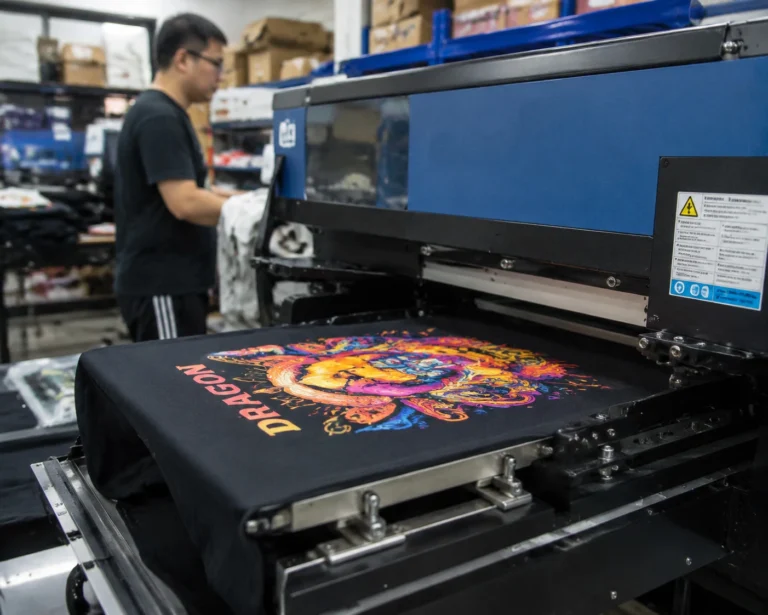


Print on Demand (POD) has become one of the most accessible ways to start an online business in 2026. It allows creators and entrepreneurs to sell custom-designed products without holding inventory or handling fulfillment.
In this guide, you’ll learn what POD is, how it works, why it continues to grow, and how to start your own POD business step by step.
What Is Print on Demand?
At its core, Print on Demand is a business model where products are only created after a customer places an order.
Here’s how it works:
- You create a design (for example, a quote or illustration).
- A customer orders the product from your online store.
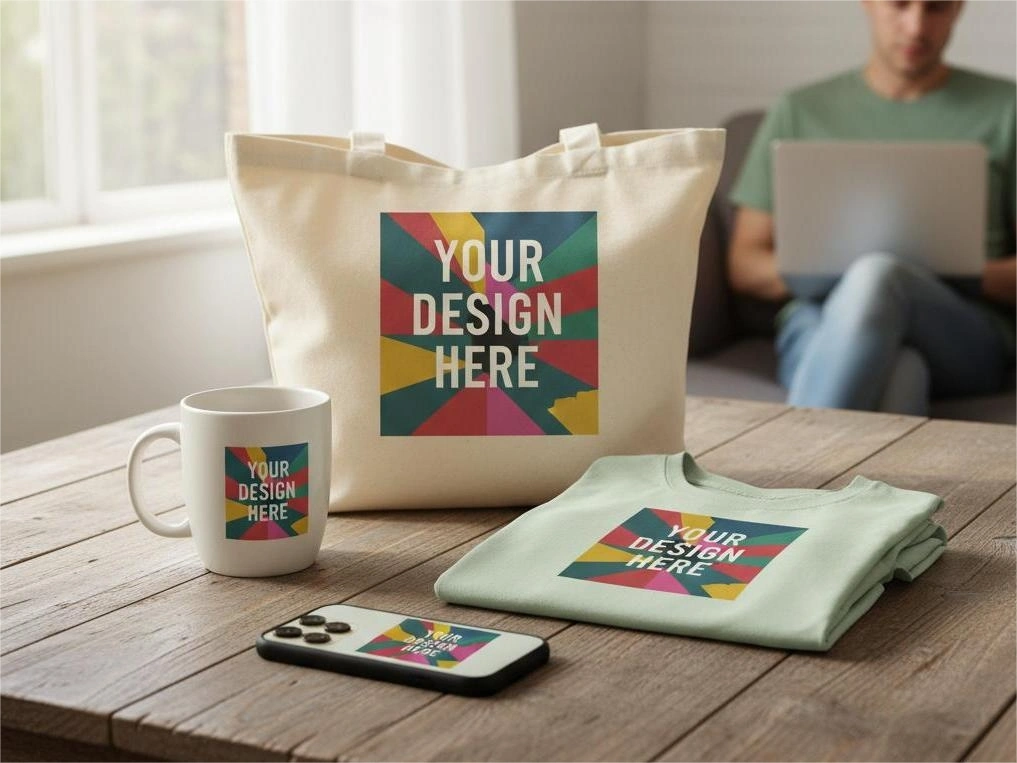
- A supplier prints your design on a product such as a T-shirt, mug, or tote bag.
- The supplier ships the product directly to the customer.
Print on Demand is a form of dropshipping, but instead of selling generic products, you sell customized items with your own designs and branding.
A Simple Example
Many entrepreneurs start POD with a single idea.
Someone might create a niche design like:
- “funny dog quotes”
- “fitness motivation slogans”
- “coffee lover illustrations”
They upload it to a store, and when someone buys it, the product is printed and shipped automatically.
The key advantage is simple: you don’t buy inventory upfront, so you can test ideas with very low financial risk.
Why Print on Demand Continues to Grow
The POD model is expanding for a few clear reasons:
- Low startup cost – No need to purchase inventory in bulk
- Social media demand – Platforms like TikTok and Instagram drive viral product trends
- Creator economy growth – More individuals are monetizing personal brands and ideas
- Easy experimentation – Sellers can test multiple designs and niches quickly
Instead of being tied to a single product, entrepreneurs can continuously launch and iterate new ideas based on demand.
Pros and Cons of POD
Like any business model, Print on Demand has advantages and limitations.
Pros
- No upfront inventory investment
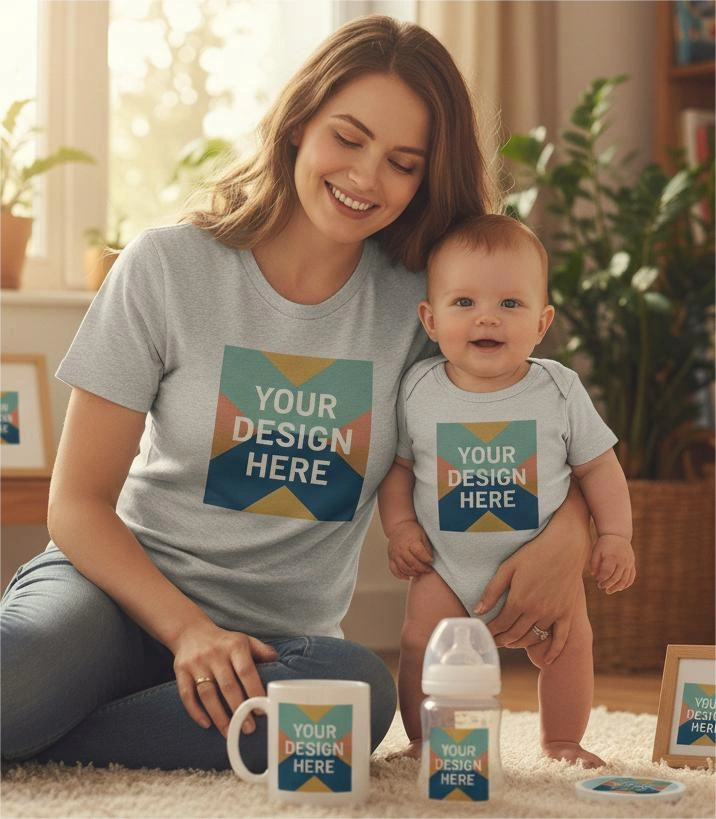
- Wide range of customizable products
- Easy to test new niches and designs
- Opportunity to build a long-term brand
Cons
- Profit margins are typically lower than bulk manufacturing
- Product quality depends heavily on suppliers
- Shipping times may vary depending on fulfillment location
- Competition is high in popular niches
Understanding both sides is important before scaling a POD business.
How Much Does It Cost to Start a POD Business?
One of the biggest advantages of POD is low startup cost.
Typical expenses include:
| Expense | Estimated Cost |
|---|---|
| Ecommerce platform (Shopify, etc.) | $29–$39/month |
| Domain name | $10–$20/year |
| Design tools | Free – $20/month |
| Product samples | $20–$100 |
Most sellers can start with under $100–$200 in initial setup costs.
Best Print on Demand Products to Sell
Some product categories consistently perform well in POD:
- Apparel: T-shirts, hoodies, sweatshirts
- Drinkware: mugs, tumblers, bottles
- Home decor: posters, wall art, pillows
- Phone accessories: cases, grips
- Niche products: pet items, gym gear, seasonal gifts
While apparel remains the dominant category, niche and personalized products continue to grow quickly, especially in hobby and lifestyle communities.
How to Start a Print on Demand Business (Step by Step)
1. Choose a Niche
Instead of targeting broad audiences like “funny shirts,” focus on specific groups:
- dog owners who love humor
- fitness enthusiasts
- plant lovers
- gamers
Smaller niches often convert better because they feel more personal.
2. Create Your Designs
You don’t need to be a professional designer to start.
Tools you can use:
- Canva
- Photoshop
- Procreate
You can also hire freelancers if needed. Originality is critical for long-term success.
3. Choose a POD Supplier
When selecting a supplier, focus on:
- Product quality
- Fulfillment speed
- Branding options
- Platform integrations (Shopify, Etsy, etc.)
Some platforms go beyond basic printing and offer sourcing, branding, and fulfillment services to help sellers scale more efficiently.
4. Build Your Online Store
Popular platforms include:
- Shopify (best for building independent brands)
- Etsy (good for artistic and niche products)
Focus on:
- clear product images
- simple product descriptions
- lifestyle visuals that show real use cases
5. Launch and Market Your Products
Marketing is what turns designs into sales.
Effective channels include:
- TikTok short videos
- Instagram Reels
- Influencer collaborations
- Email marketing for repeat customers
In POD, good design gets attention—but marketing drives revenue.
Common Mistakes to Avoid
- Copying existing designs (copyright risks)
- Targeting overly broad markets
- Ignoring shipping times and customer expectations
- Skipping product sampling before selling
- Focusing only on trends instead of building a niche
Long-term success in POD comes from consistency, not shortcuts.
Print on Demand vs Traditional Ecommerce
Unlike traditional ecommerce, POD removes the need for:
- inventory storage
- bulk purchasing
- upfront manufacturing costs
Instead, it focuses on agility: you test ideas quickly and scale what works.
Print on Demand vs Traditional Ecommerce
| Aspect | Print on Demand | Traditional Ecommerce |
| Inventory | No inventory required | Bulk inventory required |
| Startup cost | Low | High |
| Risk | Low | Higher |
| Scalability | High | Depends on stock |
| Branding | Strong customization | Depends on supplier |
POD is generally more suitable for beginners and creators testing product ideas.
Choosing the Right POD Partner
The supplier you choose can directly impact your brand reputation.
A reliable POD partner should offer:
- consistent product quality
- fast and stable fulfillment
- branding and packaging support
- seamless store integration
Platforms like Ship To The Moon combine product sourcing, custom branding, and global fulfillment, helping sellers scale beyond simple POD setups.
Final Thoughts
Print on Demand is not a “get rich quick” model—it’s a low-risk way to build and test ecommerce ideas.
With the right niche, strong designs, and reliable fulfillment, it can become a scalable business that grows over time.
If you could launch one POD product today, what would it be?